Zimbabwe is not merely a safari destination. It's a country of extraordinary ecological wealth, one of Africa's most remarkable conservation stories, and a warmth in its people that will, without warning, undo you completely.
This is where I was born and I was brought up on safaris in Zimbabwe. I know the smell of rain hitting dust in October. I know the sound Hwange makes just before dawn — that low, rumbling silence that's somehow full of everything. This guide isn't written by someone who visited once and found it beautiful. It's written from years of living alongside it.
Zimbabwe is also significantly less visited than Kenya, Tanzania or South Africa. Not because it's less extraordinary — because fewer people know to go. This guide is for the ones who do.
Part OneVictoria Falls — Mosi-oa-Tunya
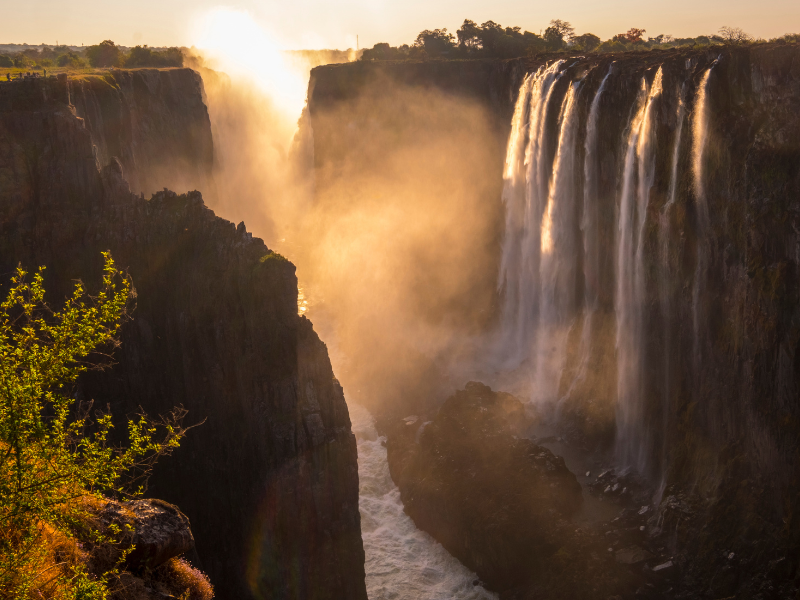
The locals call it Mosi-oa-Tunya: the smoke that thunders. Stand at the lip of the gorge and the spray soaks you through in seconds — no photograph has ever quite done it justice. At full flood, it's the largest waterfall on earth by volume, and the sound reaches you long before the falls do.
The Zimbabwean side is, without question, the superior vantage point. There are seventeen viewing points along the kilometre-wide curtain of falling water. The best are the ones no tour group ever reaches — because they require knowing which fork in the path to take.
Beyond the Falls
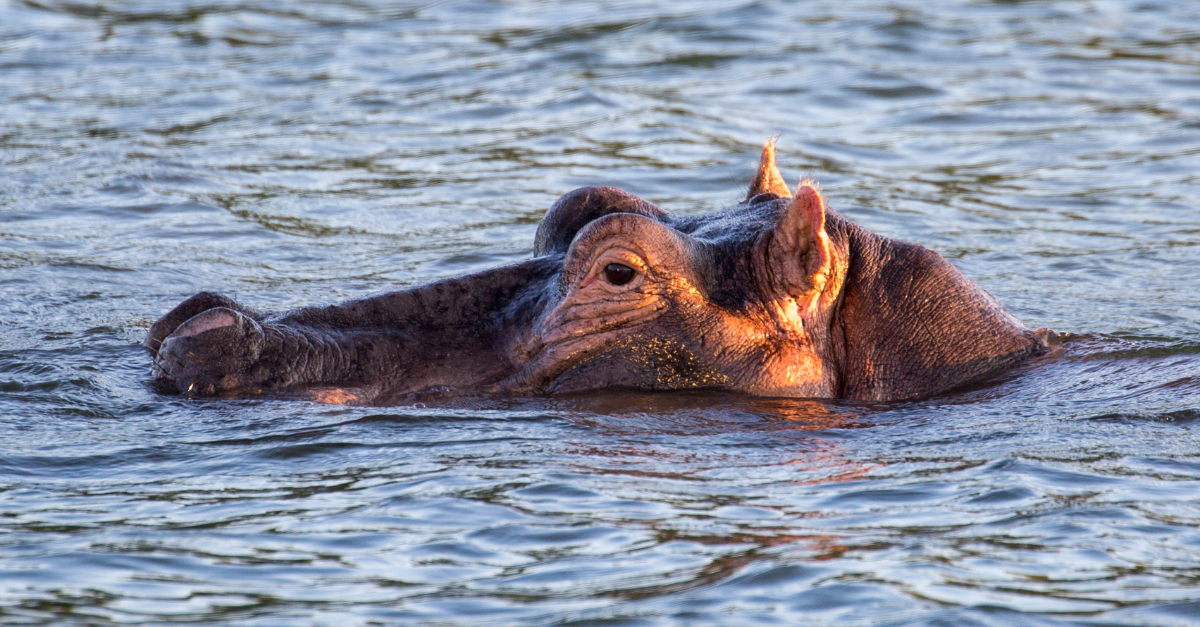
A sunset cruise on the Zambezi, upstream where the river spreads wide and elephants come down to drink, is one of the quietly extraordinary hours available anywhere in Africa. The adventure activities aren't for everyone — and that's entirely fine. The people who skip them in favour of a slower morning at the falls tend to leave feeling they got the better version of the experience.
Victoria Falls — What to Know
- Best time: August–December for clear views; April–June for maximum spray and drama
- The rainforest path takes 1.5–2 hours at a comfortable pace with a good guide — don't rush it
- Wear clothes you don't mind getting completely soaked. The spray is not optional
- Allow two nights minimum. Three is better. One is not enough
Hwange National Park — Where the Elephants Come
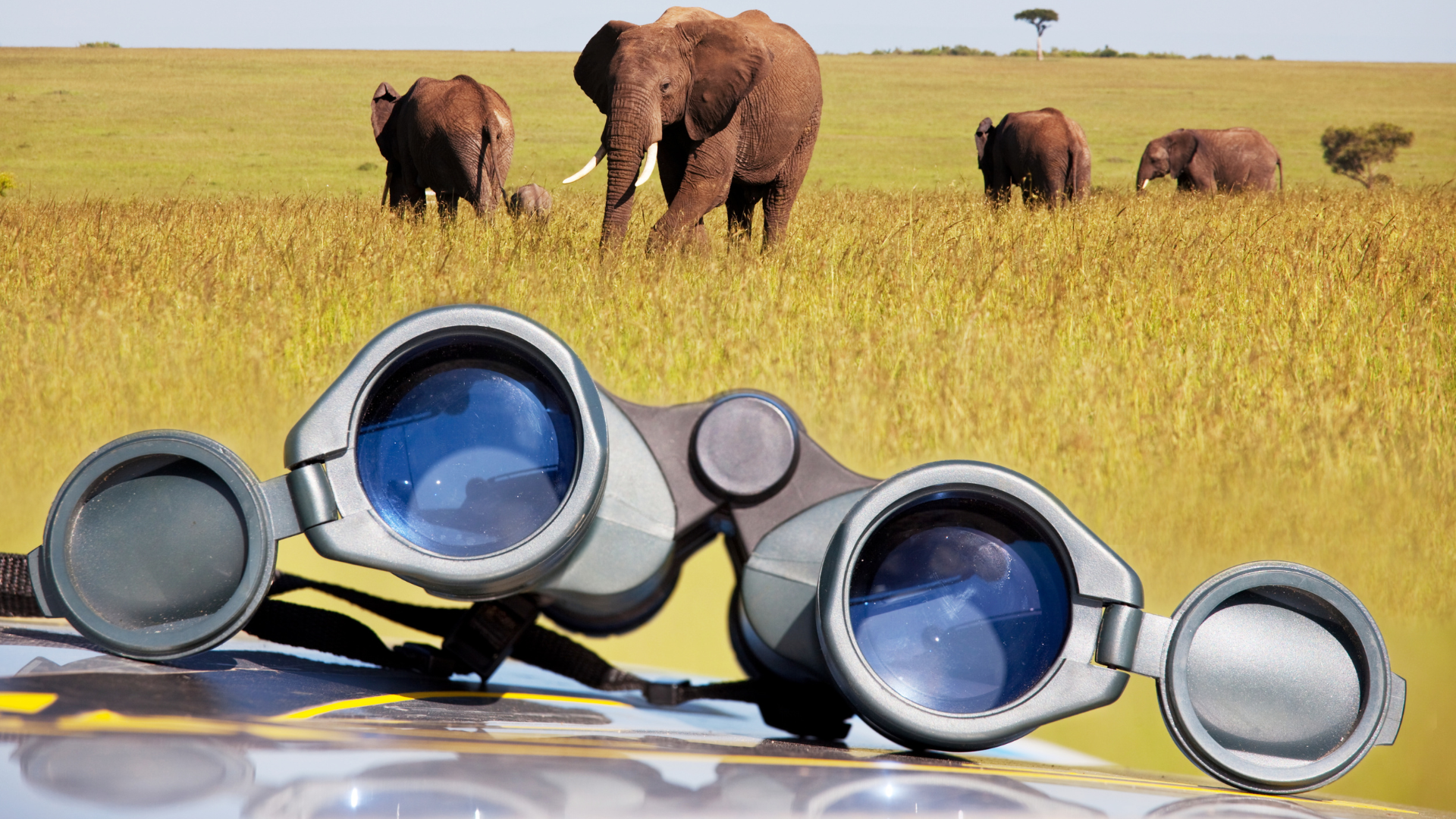
There are places in Africa where the wildlife impresses you. Then there's Hwange, where it overwhelms you. Zimbabwe's largest national park covers 14,600 square kilometres, and it rewards the people who give it time.
The elephants come first. Always the elephants. When a breeding herd of eighty or a hundred arrives at a waterhole in the afternoon, and they keep coming, and the light turns gold and the dust rises — that's not something you find the words for easily.
Hwange holds some of the most extraordinary elephant concentrations anywhere on earth.
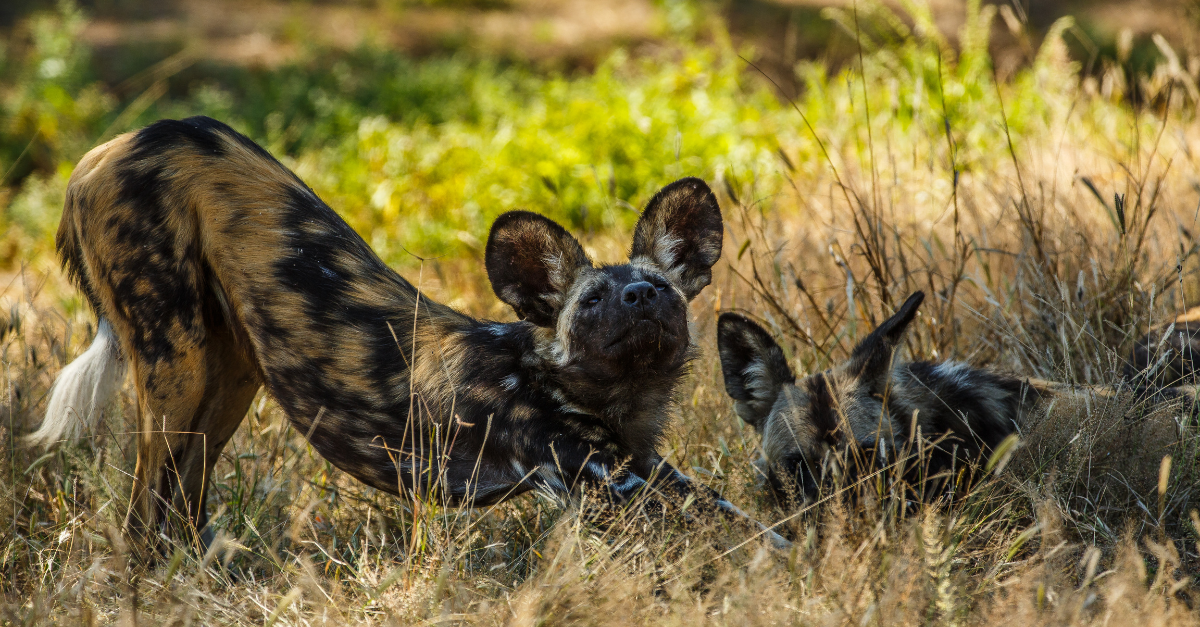
Hwange is also a Big Five park, holding one of the most important African wild dog populations remaining on the continent — and large lion coalitions that are no less magnificent for being less photographed than the Mara's.
"When a hundred elephants come to the waterhole at dusk and the light goes gold — that is the moment. That is what this place is."Dalene · Destination Africa
Hwange — What to Know
- Three nights is a minimum. Four is where the magic begins
- Peak season is July–October — book up to 12 months ahead for the best camps
- May–June offers excellent game viewing, cooler temperatures and outstanding value
- Camps here range from intimate eight-suite hideaways to private-concession lodges with walking safaris — the right fit depends entirely on what you're after
Chobe, Botswana — For Those Who Want More
Here's something most itineraries miss: Zimbabwe and Botswana share a border, and some of the most spectacular wildlife country in Africa sits directly across it. Chobe National Park is a forty-minute drive from Victoria Falls. For anyone with even two extra nights, the Chobe add-on isn't optional. It's obligatory.
Chobe holds an estimated 130,000 elephants — the largest concentration of savanna elephants on earth — gathering along the river in the dry season in numbers that must be seen to be believed. And the boat safari offers something Zimbabwe alone doesn't: moving silently at water level among the herds, with no engine noise, no dust, just the light on the river changing as the afternoon turns.
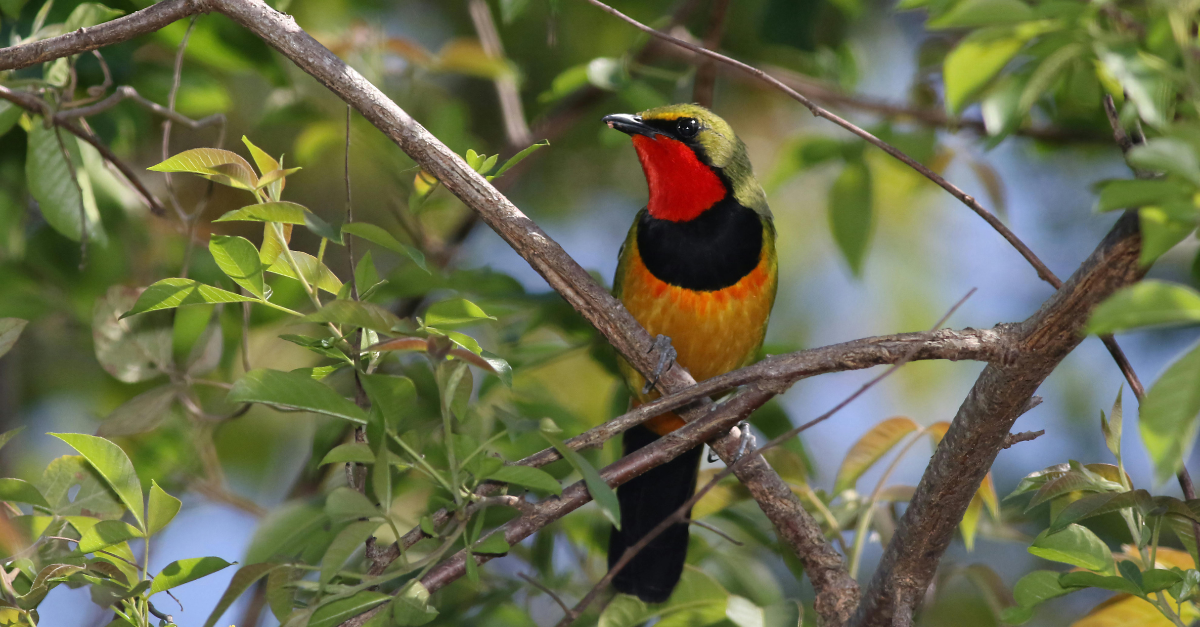
The classic sequence runs Victoria Falls, then Hwange, then Chobe before departing from Kasane — each destination adding a different layer: waterfalls and culture, then deep bush and big elephants, then river and water safari. It's one of the most balanced safari itineraries in Africa, and the exact routing, timing and camp pairing is something we work out together, based on what matters most to you.
What the Brochures Leave OutThe Honest Truth About Safari in Zimbabwe
A few things nobody bothers to tell you, because they're the difference between a mediocre safari and a transformative one.
On guides
The single most important variable on any safari is your guide — more important than the lodge, more important than the destination. A great guide changes what you see, what you understand about what you're seeing, and how you feel about Africa for years afterward. Zimbabwe has some of the finest field guides on the continent. Getting matched with the right one is where expertise actually matters.
On packing
Neutral colours, and layers. Mornings in the Zimbabwean bush in July and August are genuinely cold — sometimes below 5°C at 5am in an open vehicle. The afternoon will hit 28°C. You'll wear both in a single day.
On timing
Book early. Zimbabwe's best camps have between six and twelve beds, and they sell out up to twelve months ahead in peak season. The question isn't "can I go in July?" — it's "is there still space in July?" That's the kind of conversation worth having early.
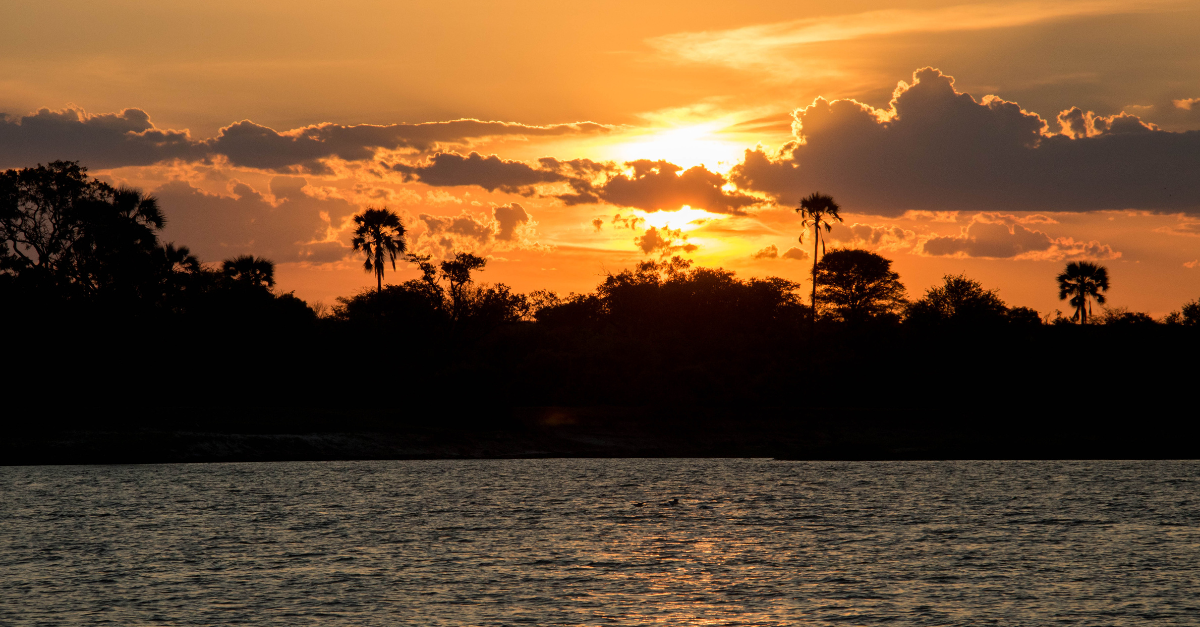
No two days on safari are the same. No guide can predict what will happen. The bull elephant that walks to within three metres of your vehicle and looks directly at you, and keeps looking, and shows no concern whatsoever — that's not a photo opportunity. That's a negotiation between two species, conducted in silence, in the African bush. That part can't be written into a guide. It simply happens, to the people who go.
This guide gives you the knowledge. The conversation turns it into your journey — dates, camps, routing, everything designed around you.