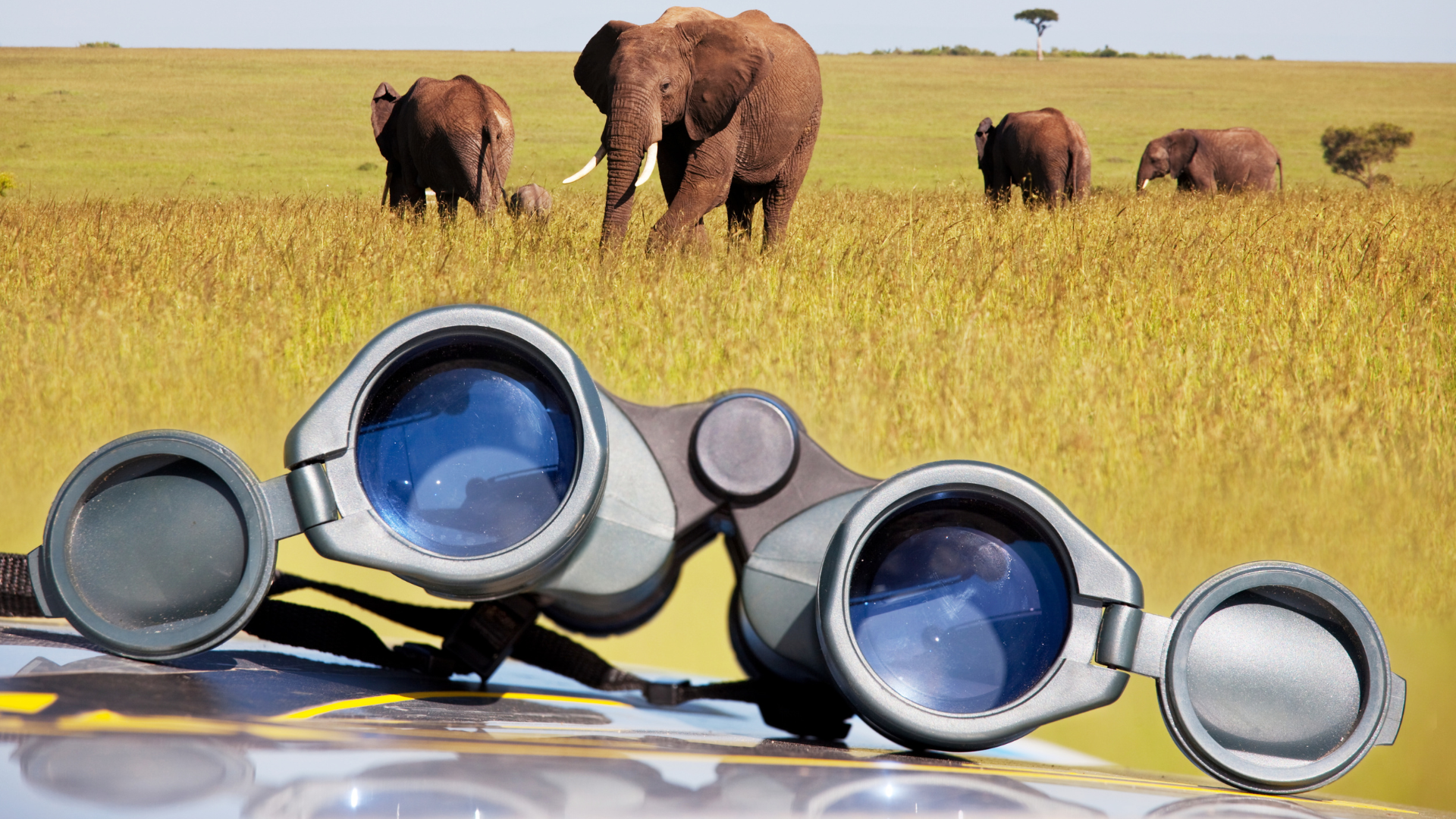
Tanzania has more genuinely world-class safari country than almost anywhere on earth — the Serengeti, Ngorongoro, Tarangire, the remote south and west, Zanzibar within easy reach at the end of it all. Which is exactly the problem. It's not a shortage of good options that trips people up when planning a Tanzania safari. It's too many of them, with no obvious way to choose between them.
This guide won't hand you a fixed itinerary — the right one depends on your dates, your budget, and what you actually want out of the trip. What it will do is walk you through the decisions that matter, in the order they actually need making, so that whenever you do sit down to plan properly, you're not starting from zero.
In This Guide
How Many Days You Actually Need
The single most common planning mistake is underestimating this. A safari isn't like a city break where you can compress the highlights into three packed days — distances between parks are real, light-aircraft schedules run on their own logic, and wildlife doesn't perform on a tight itinerary.
As a rough guide: five to six nights is the practical minimum for the northern circuit to feel like a proper safari rather than a rushed sampler. Eight to ten nights is where it opens up — enough time to genuinely settle into two or three parks, build in a rest day, and still add Zanzibar on the end without the whole trip feeling like a relay race.
Duration — What to Know
- Fewer than 5 nights usually means more time in transit than in the bush — possible, but rarely the trip people picture
- Each additional park you add should come with at least 2–3 nights, or you're paying for transfers more than experiences
- Adding Zanzibar (or the coast generally) at the end works best as its own 3–5 night chapter, not a rushed final stop
- Fly-in circuits cover more ground comfortably than road-based ones, but add cost — worth deciding early which matters more to you
Northern Circuit vs. Southern & Western
This is the decision that shapes everything else, and most first-time travellers don't know it exists until someone tells them.
Northern Circuit
Serengeti, Ngorongoro, Tarangire and Lake Manyara. The most developed safari infrastructure in Tanzania, easier logistics, strong year-round game viewing, and (for part of the year) the Great Migration itself. The trade-off is popularity — this is where most visitors go, and it shows at the best-known sightings in peak months.
Southern & Western Circuit
Nyerere (formerly Selous), Ruaha, Mahale. Remote, sparsely visited, and a genuinely different atmosphere — fewer vehicles, more exclusivity, a slower pace. It asks more of you logistically (more flying, generally higher cost per night) and rewards travellers who've already done a "classic" safari and want something quieter.
Neither is objectively better. First-time safari travellers who want the widest range of wildlife with the least logistical complexity are usually best served by the north. Anyone drawn to solitude over spectacle, or returning for a second or third African trip, often finds the south more rewarding — which of these fits depends entirely on what you're actually after.

What Not to Miss
A few things worth deliberately building room for, regardless of which circuit you choose:
Don't Plan Around These
- The Ngorongoro Crater — an entire ecosystem contained inside a collapsed volcanic caldera, with wildlife density unlike almost anywhere else on the continent. A single day here rarely feels like enough
- At least one non-vehicle experience — a walking safari, a guided cultural visit, time with a local community — arranged properly rather than as a bolted-on coach-tour stop
- A genuine rest day — sounds counterintuitive on a "once in a lifetime" trip, but a day at camp rather than in a vehicle is often where the trip actually settles into memory
- Zanzibar, if your dates allow it — the contrast between dust and ocean at the end of a safari is one of the most effective trip structures in African travel, not just a tourist add-on

Mistakes First-Timers Make
Trying to see everything
Three parks in six days sounds efficient on paper. In practice it means three arrivals, three settling-in periods, and far more time on transfer roads or airstrips than in front of wildlife. Fewer parks, properly paced, consistently outperforms an ambitious list on paper.
Ignoring migration timing when it actually matters
If seeing the Great Migration is genuinely the point of your trip, the timing of your dates matters more than almost any other decision you'll make — and the herds move on their own schedule, not a marketing calendar. If it's a nice-to-have rather than the centrepiece, this matters far less than people assume.
Assuming all camps and lodges are interchangeable
They're not, and the difference isn't always visible from a brochure photo. Location within a park, proximity to a specific ecosystem, size of the camp, and quality of guiding can matter more to how a trip actually feels than the star rating attached to it.
This is exactly where a conversation beats a Google search.
Which circuit, how many nights, which specific camps for your dates and budget — that's the actual planning work, and it's done personally, around you, not from a generic template.
Start the Conversation →What the Brochures Leave Out
The Honest Truth About Planning a Tanzania Safari
On access
The best camps in the most sought-after positions sell out early — often nine to twelve months ahead for peak-season northern circuit dates. If you have fixed travel dates, the earlier you start the conversation, the more of the good options are still available to you.
On budget
Tanzania's park fees and conservation levies are genuinely higher than many neighbouring countries, and that's before accommodation. It's not the cheapest safari destination in Africa — but the density and quality of wildlife viewing is a large part of why.
On pacing
The itineraries that feel best in hindsight are rarely the most ambitious ones on paper. Building in a rest day, or choosing two parks properly over three parks rushed, is consistently what past travellers say they'd have done differently.

| Best Season | June – October (dry); late December – February (green, quieter) |
|---|---|
| Recommended Duration | 8–12 days for a well-paced circuit |
| Visa | eVisa or on-arrival for most nationalities — reconfirm for your passport before booking |
| Malaria | Yes — prophylaxis recommended |
| Flying In | Via Kilimanjaro (northern circuit) or Dar es Salaam (southern/western) |
| Currency | USD widely accepted; Tanzanian shilling for small purchases |
"There is no single correct Tanzania itinerary — only the right one for the trip you're actually picturing."
"Every safari we design starts with the same question: what does your ideal trip actually look like? Everything else — circuit, duration, camps — follows from that." Dalene · Destination Africa

Frequently Asked
Questions
Is Tanzania better than Kenya for a first safari?
Neither is objectively "better" — they overlap more than people expect, particularly in the Serengeti-Mara ecosystem. Tanzania generally offers more scale and a quieter southern/western option; Kenya often has a slight edge on value and accessibility. Which suits you depends on your specific dates and priorities, and it's a genuinely useful thing to talk through rather than guess at.
Can I combine Tanzania and Kenya in one trip?
Yes, and it's a popular combination given how close the Serengeti and Masai Mara sit to one another. It adds a border crossing and some extra logistics, but for travellers with 10+ nights, it's a genuinely rewarding way to see both sides of the same ecosystem.
Do I need to book camps far in advance?
For peak dry-season travel (July–October) in the northern circuit, yes — the best-positioned camps can sell out nine to twelve months ahead. Green-season and southern-circuit travel generally allows more flexibility closer to your dates.
Is a fly-in or road safari better?
Fly-in covers more ground comfortably and suits travellers combining multiple parks or circuits; road transfers are more budget-friendly and let you see the landscape change between stops. Both are valid — it's a trade-off between time, comfort and cost, not a right-or-wrong choice.