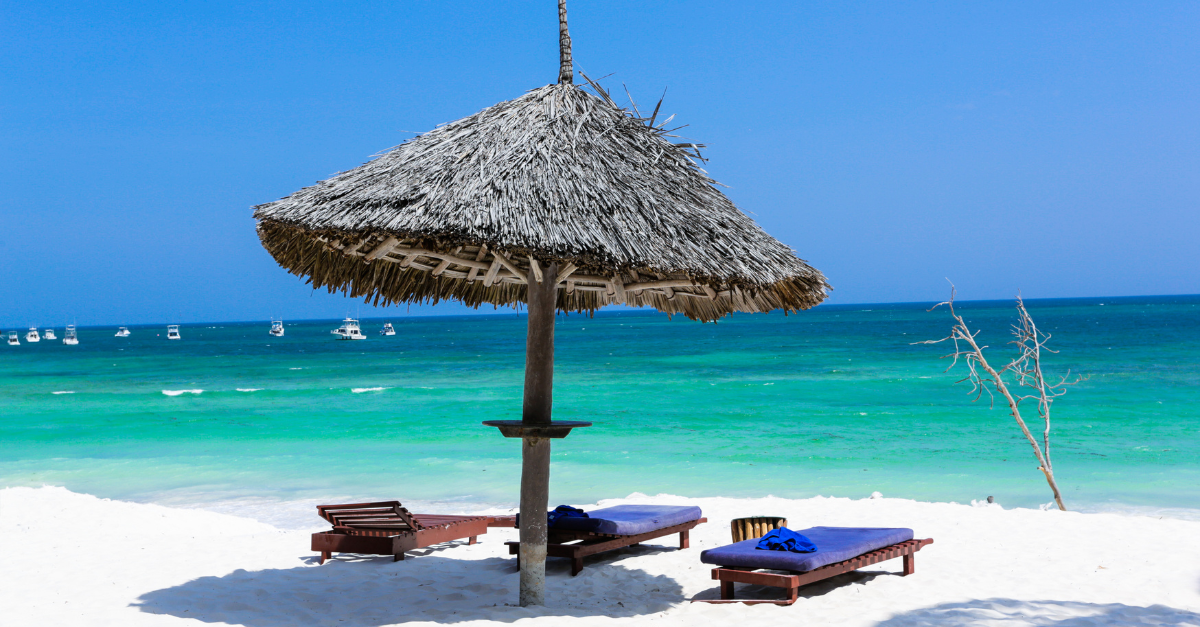
Category: Uncategorized

  • Zimbabwe Destination Guide 

    Zimbabwe safari landscape

    Zimbabwe. The Safari That Changes Everything.

    Victoria Falls. Hwange. And the river safari most itineraries miss entirely. This is not a brochure — it’s what you actually need to know before you go.

    3
    Destinations in One Journey
    June–Nov
    Best Months to Travel
    100,000+
    Elephants, Zimbabwe Alone

    Zimbabwe is not merely a safari destination. It’s a country of extraordinary ecological wealth, one of Africa’s most remarkable conservation stories, and a warmth in its people that will, without warning, undo you completely.

    This is where I was born and I was brought up on safaris in Zimbabwe. I know the smell of rain hitting dust in October. I know the sound Hwange makes just before dawn — that low, rumbling silence that’s somehow full of everything. This guide isn’t written by someone who visited once and found it beautiful. It’s written from years of living alongside it.

    Zimbabwe is also significantly less visited than Kenya, Tanzania or South Africa. Not because it’s less extraordinary — because fewer people know to go. This guide is for the ones who do.

    Part One

    Victoria Falls — Mosi-oa-Tunya

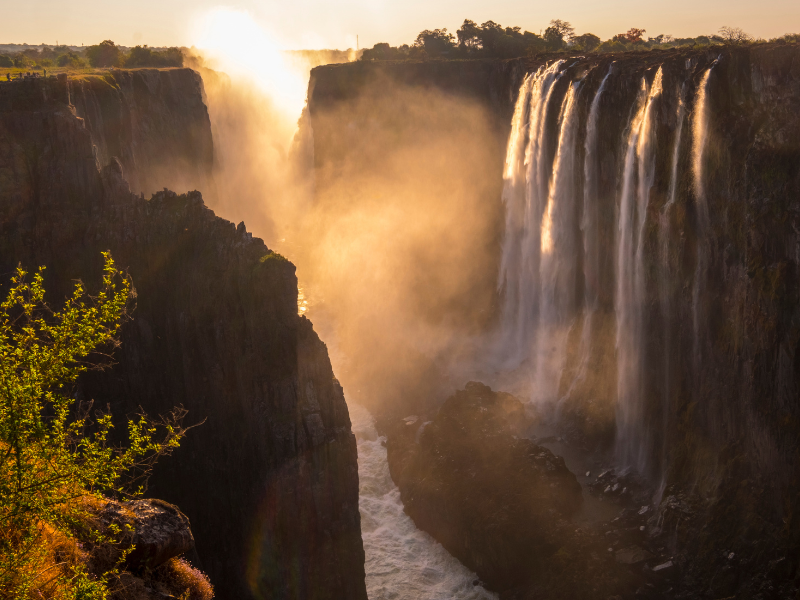
    The locals call it Mosi-oa-Tunya: the smoke that thunders. Stand at the lip of the gorge and the spray soaks you through in seconds — no photograph has ever quite done it justice. At full flood, it’s the largest waterfall on earth by volume, and the sound reaches you long before the falls do.

    The Zimbabwean side is, without question, the superior vantage point. There are seventeen viewing points along the kilometre-wide curtain of falling water. The best are the ones no tour group ever reaches — because they require knowing which fork in the path to take.

    Victoria Falls, Zimbabwe

    Beyond the Falls

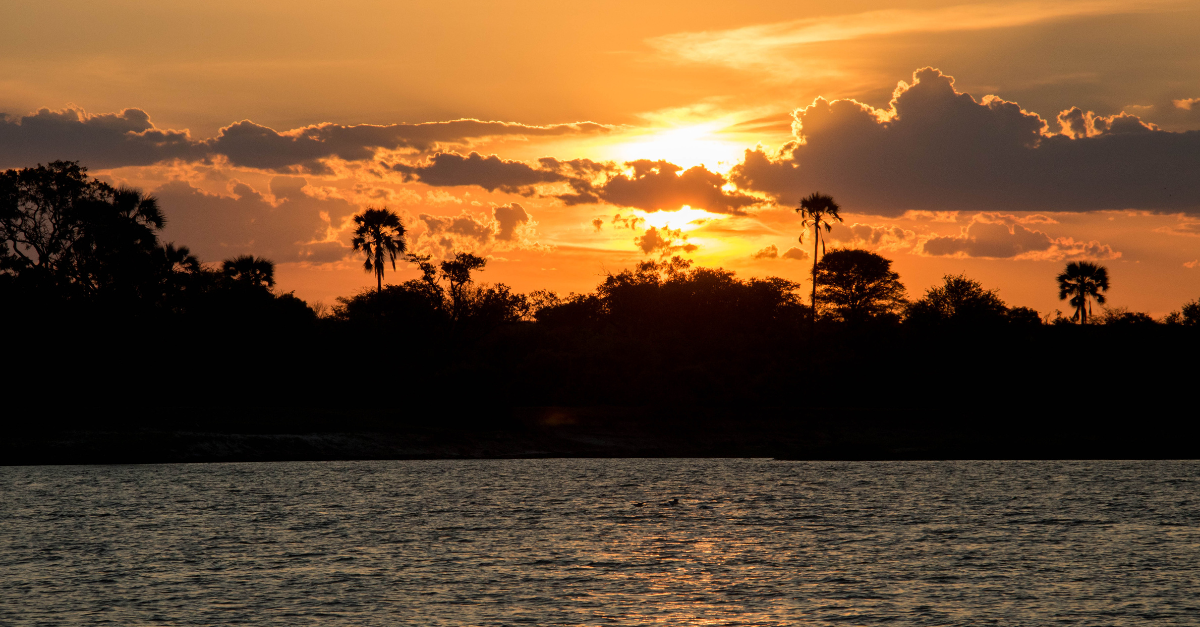
    A sunset cruise on the Zambezi, upstream where the river spreads wide and elephants come down to drink, is one of the quietly extraordinary hours available anywhere in Africa. The adventure activities aren’t for everyone — and that’s entirely fine. The people who skip them in favour of a slower morning at the falls tend to leave feeling they got the better version of the experience.

    Victoria Falls — What to Know

    • Best time: August–December for clear views; April–June for maximum spray and drama
    • The rainforest path takes 1.5–2 hours at a comfortable pace with a good guide — don’t rush it
    • Wear clothes you don’t mind getting completely soaked. The spray is not optional
    • Allow two nights minimum. Three is better. One is not enough
    Part Two

    Hwange National Park — Where the Elephants Come

    There are places in Africa where the wildlife impresses you. Then there’s Hwange, where it overwhelms you. Zimbabwe’s largest national park covers 14,600 square kilometres, and it rewards the people who give it time.

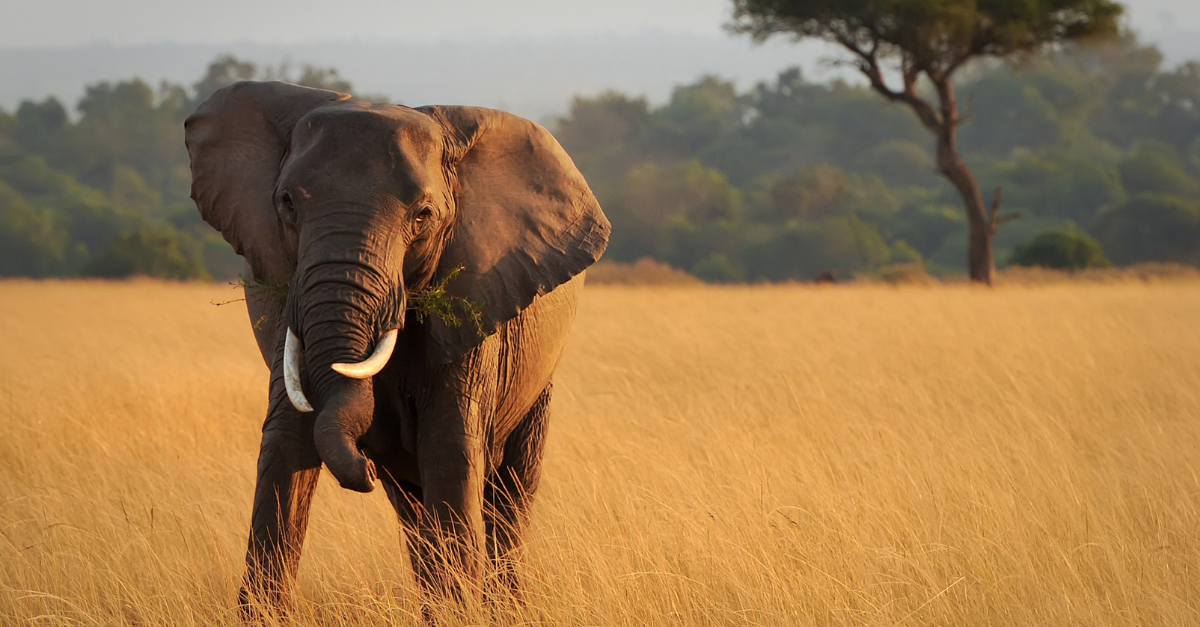
    The elephants come first. Always the elephants. When a breeding herd of eighty or a hundred arrives at a waterhole in the afternoon, and they keep coming, and the light turns gold and the dust rises — that’s not something you find the words for easily.

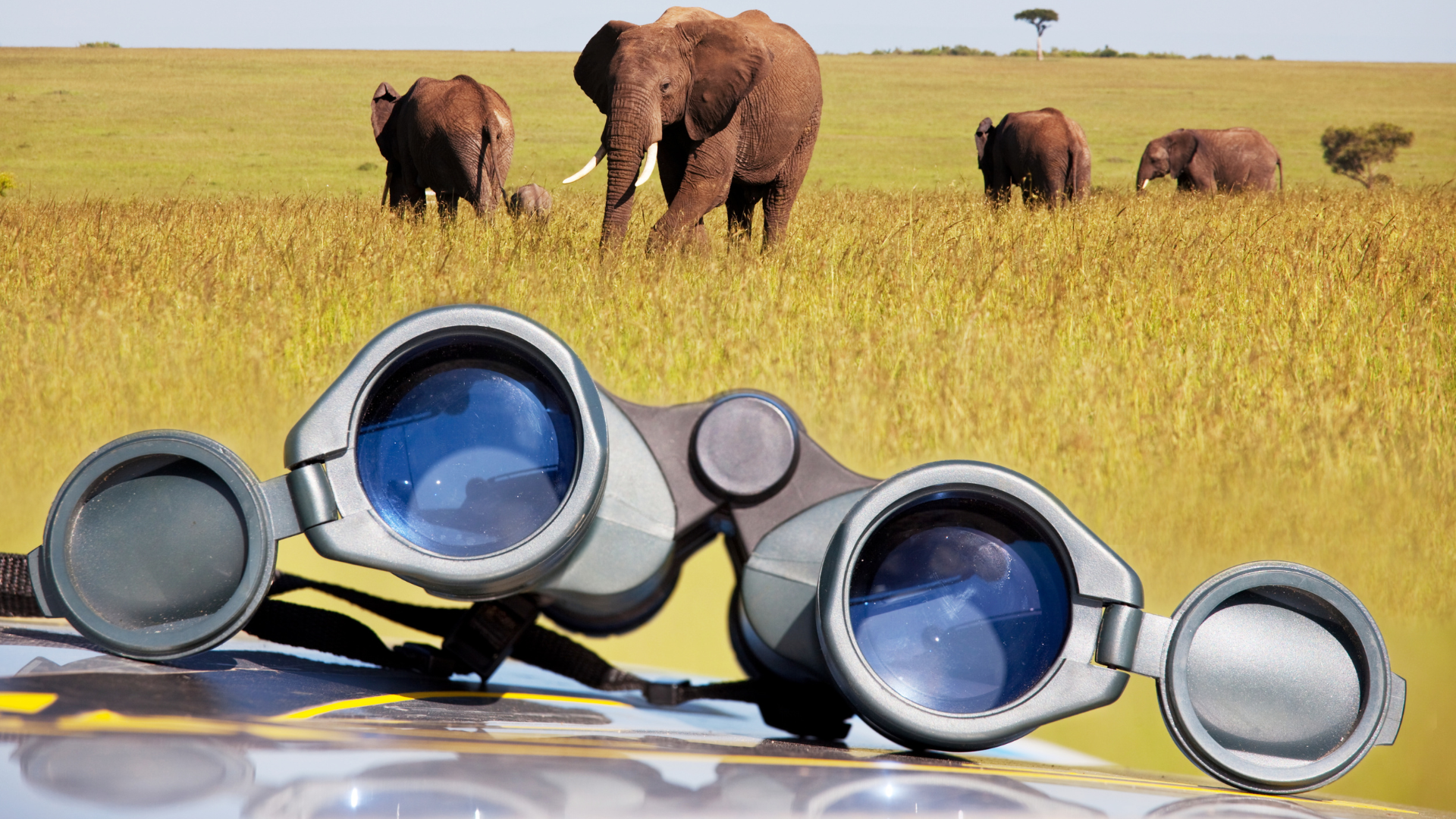
    Elephants at a waterhole in Hwange National Park

    Hwange holds some of the most extraordinary elephant concentrations anywhere on earth.

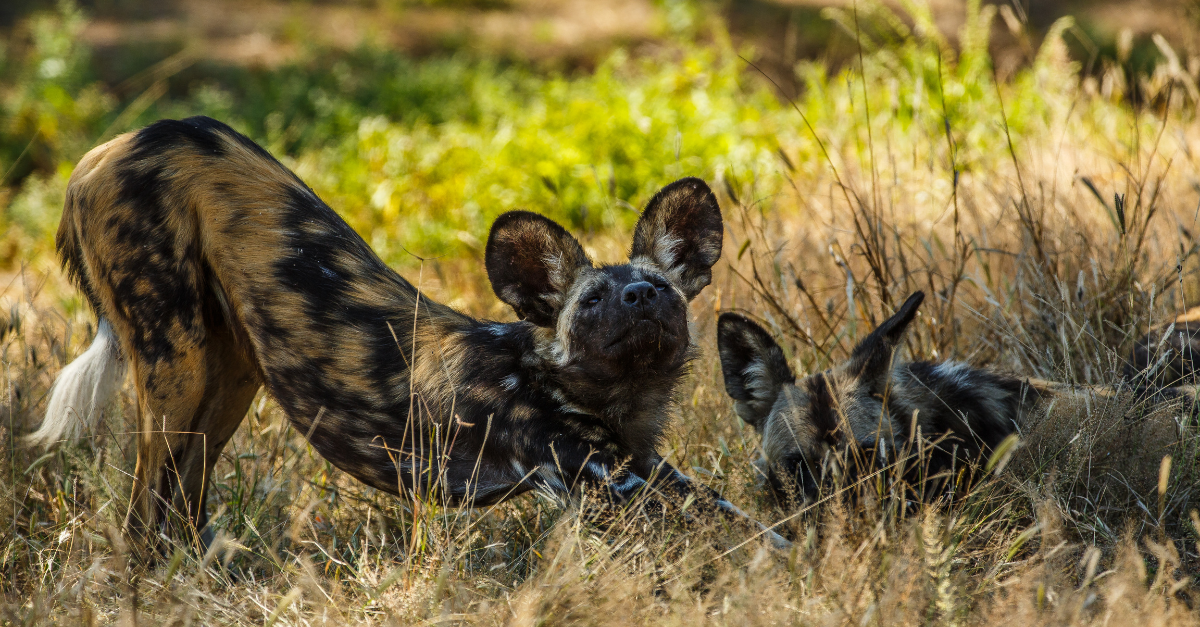
    Hwange is also a Big Five park, holding one of the most important African wild dog populations remaining on the continent — and large lion coalitions that are no less magnificent for being less photographed than the Mara’s.

    “When a hundred elephants come to the waterhole at dusk and the light goes gold — that is the moment. That is what this place is.”Dalene · Destination Africa

    Hwange — What to Know

    • Three nights is a minimum. Four is where the magic begins
    • Peak season is July–October — book up to 12 months ahead for the best camps
    • May–June offers excellent game viewing, cooler temperatures and outstanding value
    • Camps here range from intimate eight-suite hideaways to private-concession lodges with walking safaris — the right fit depends entirely on what you’re after
    Part Three · The Add-On Worth Taking

    Chobe, Botswana — For Those Who Want More

    Here’s something most itineraries miss: Zimbabwe and Botswana share a border, and some of the most spectacular wildlife country in Africa sits directly across it. Chobe National Park is a forty-minute drive from Victoria Falls. For anyone with even two extra nights, the Chobe add-on isn’t optional. It’s obligatory.

    Chobe holds an estimated 130,000 elephants — the largest concentration of savanna elephants on earth — gathering along the river in the dry season in numbers that must be seen to be believed. And the boat safari offers something Zimbabwe alone doesn’t: moving silently at water level among the herds, with no engine noise, no dust, just the light on the river changing as the afternoon turns.

    Elephant herd at Chobe National Park, Botswana

    The classic sequence runs Victoria Falls, then Hwange, then Chobe before departing from Kasane — each destination adding a different layer: waterfalls and culture, then deep bush and big elephants, then river and water safari. It’s one of the most balanced safari itineraries in Africa, and the exact routing, timing and camp pairing is something we work out together, based on what matters most to you.

    What the Brochures Leave Out

    The Honest Truth About Safari in Zimbabwe

    A few things nobody bothers to tell you, because they’re the difference between a mediocre safari and a transformative one.

    On guides

    The single most important variable on any safari is your guide — more important than the lodge, more important than the destination. A great guide changes what you see, what you understand about what you’re seeing, and how you feel about Africa for years afterward. Zimbabwe has some of the finest field guides on the continent. Getting matched with the right one is where expertise actually matters.

    On packing

    Neutral colours, and layers. Mornings in the Zimbabwean bush in July and August are genuinely cold — sometimes below 5°C at 5am in an open vehicle. The afternoon will hit 28°C. You’ll wear both in a single day.

    On timing

    Book early. Zimbabwe’s best camps have between six and twelve beds, and they sell out up to twelve months ahead in peak season. The question isn’t “can I go in July?” — it’s “is there still space in July?” That’s the kind of conversation worth having early.

    Best Season
    June to November
    Recommended Duration
    7–14 days
    Visa
    On arrival (UK passport holders)
    Malaria
    Yes — prophylaxis recommended
    Flying In
    Via Johannesburg to Vic Falls or Kasane
    Currency
    USD widely accepted
    Safari guide and vehicle, Zimbabwe

    No two days on safari are the same. No guide can predict what will happen. The bull elephant that walks to within three metres of your vehicle and looks directly at you, and keeps looking, and shows no concern whatsoever — that’s not a photo opportunity. That’s a negotiation between two species, conducted in silence, in the African bush. That part can’t be written into a guide. It simply happens, to the people who go.

    This guide gives you the knowledge. The conversation turns it into your journey — dates, camps, routing, everything designed around you. Dalene · Destination Africa

    This is where the conversation starts.

    You now know more about Zimbabwe than most people who’ve been there. The next step is a conversation about when you want to go, how long you have, and what kind of experience will stay with you longest. It’s free, it takes twenty minutes, and it changes everything.

    Begin Your Journey →

    Every enquiry is handled personally. No call centres. Just a direct conversation with someone who’s been there.

  • Kenya best time to visit

    Kenya safari landscape at golden hour

    Best Time to Visit Kenya for a Safari: A Month-by-Month Guide

    There is no single “best” month for a Kenyan safari — there’s a best month for what you want to see. Get that distinction right, and every other planning decision becomes easier.

    Kenya is one of the few safari destinations that genuinely rewards careful timing. The difference between visiting in February and visiting in November isn’t subtle — it can mean the difference between watching wildebeest cross the Mara River in their hundreds of thousands, or having a private game reserve almost entirely to yourself. Neither is wrong. They’re simply different trips.

    This guide breaks Kenya’s safari calendar down honestly: what each season actually looks like on the ground, when the wildlife spectacle peaks, when the value is best, and when the rain genuinely gets in the way. As a guide, treat this as a starting point for a conversation, not a substitute for one — the right month for your safari also depends on your specific itinerary, the parks you’re visiting, and what you want out of the trip.

    In This Guide

    1. Kenya’s Two Seasons, In Brief
    2. The Dry Season: July to October
    3. The Green Season: November to June
    4. When to See the Great Migration
    5. Month-by-Month At a Glance
    6. Frequently Asked Questions

    Kenya’s Two Seasons, In Brief

    Kenya’s climate works on two broad rhythms: a long dry season roughly from June through October, and a wetter period split into a “long rains” stretch (typically March to May) and a shorter, lighter “short rains” stretch (typically November). Everything else in this guide builds from that basic shape.

    June – October

    Dry Season

    Sparse vegetation, predictable game viewing, animals concentrated around permanent water sources. Kenya’s peak safari season, and priced accordingly.

    November – June

    Green Season

    Lush landscapes, dramatic skies, fewer vehicles at sightings, and noticeably better rates. Rainfall is generally short and localised rather than constant.

    Kenya savannah landscape

    The Dry Season: July to October

    This is Kenya’s classic safari window, and for good reason. As surface water dries up across the bush, animals are drawn toward rivers, waterholes and permanent water sources — which means predators and prey both become far easier to find, often in the same general area. Vegetation thins out too, so visibility across the plains is excellent.

    It’s also dry underfoot, which matters more than people expect: remote camps and conservancies that can be difficult to reach in the rains become fully accessible, and game drives aren’t interrupted by washed-out tracks.

    The trade-off is straightforward: this is when everyone else wants to travel too. Camps fill up further in advance, prices sit at their highest point of the year, and popular areas of the Mara in particular can feel busier at marquee sightings. None of that makes it the wrong choice — for many travellers, especially first-time safari-goers who want the most reliable wildlife viewing possible, it’s exactly the right one.

    Kenya wildlife during the dry season

    The Green Season: November to June

    The green season isn’t one uniform stretch — it has its own internal rhythm worth understanding before you write it off as “the rainy months.”

    November – Early December: The Short Rains

    Typically brief, often a daily afternoon shower rather than all-day rain. The landscape turns green almost overnight, bird life is exceptional as migratory species arrive, and newborn animals start appearing. Crowds and prices both drop noticeably from the August peak.

    Late December – February: A Genuine Sweet Spot

    Often overlooked, and arguably shouldn’t be. The short rains have passed, skies are generally clear, temperatures are warm, and this is calving season on the southern plains — meaning predator action is often at its most dramatic, even if the famous river crossings aren’t happening. December and January also coincide with school holidays, so it’s not undiscovered, but it offers a genuinely different and rewarding experience to the August migration crowds.

    March – May: The Long Rains

    This is Kenya’s quietest safari period, and the one worth being most honest about. Rain is heavier and more sustained, some camps close for maintenance, and certain roads can become genuinely difficult. But the landscape is at its most dramatic, lodge rates fall to their lowest point of the year, and the parks that remain open are remarkably empty. This suits a particular kind of traveller well — not everyone, but it shouldn’t be dismissed outright either.

    When to See the Great Migration

    If the Great Migration river crossings are the specific reason you’re going to Kenya, timing matters more than anything else in this guide — and it’s worth being precise rather than vague about it.

    The wildebeest and zebra herds move in a roughly circular pattern between Tanzania’s Serengeti and Kenya’s Masai Mara, and their exact timing shifts year to year depending on rainfall. As a general pattern: the herds are typically in the Mara from July through to October, with the dramatic Mara River crossings most commonly seen from late July through September. This is not a guarantee — the migration follows the grass and the rain, not a calendar — but it’s the most reliable window.

    If a river crossing specifically is the centrepiece of your trip, this is one area where we’d always recommend building in flexibility, a few extra days, and expert positioning within the Mara itself, rather than expecting a single game drive to deliver it on demand.

    Great Migration river crossing, Masai Mara

    Month-by-Month At a Glance

    Months Conditions Best For
    Jan – Feb Warm, mostly dry Calving season, predator action, fewer crowds
    Mar – May Long rains, quiet Lowest rates, lush scenery, fewer vehicles
    Jun Transitional, drying out Good value before peak season begins
    Jul – Oct Dry, peak season Migration river crossings, reliable game viewing
    Nov – Early Dec Short rains, brief showers Birdlife, greenery, lower prices

    “There is no wrong time to go to Kenya — only the wrong time for the safari you’re picturing in your head.”

    Frequently Asked Questions

    What is the single best month to visit Kenya?

    For most first-time safari travellers prioritising reliable wildlife viewing, August and September sit at the sweet spot of dry conditions and migration activity in the Mara. For value and a quieter experience without sacrificing much in the way of wildlife, late December through February is genuinely underrated.

    Is it worth visiting Kenya during the rainy season?

    Yes, with the right expectations. The short rains (November) are brief and rarely disrupt a safari. The long rains (March–May) are more substantial and not for everyone, but they bring the lowest prices, the most dramatic scenery, and a Kenya almost without other visitors.

    How far in advance should I book for the dry season?

    For July to October departures, particularly camps in the Masai Mara, we’d recommend booking nine to twelve months ahead where possible. The best camps in the best positions sell out well in advance of peak season.

    Does the Great Migration happen at the same time every year?

    No — it follows rainfall and grass growth, not a fixed calendar. July to October is the most reliable window for the herds being in Kenya’s Masai Mara, but exact crossing dates shift year to year and can’t be guaranteed on any single date.

    Every safari we design starts with one conversation about timing — because the right month makes a bigger difference to your trip than almost any other decision you’ll make. Dalene · Destination Africa

    Not sure which season is right for you?

    Tell us what you want to see and when you’re free to travel, and we’ll tell you honestly whether the timing works — no obligation.

    Start the Conversation →
  • One Man’s Dream Reawakened: A Soulful Return to Namibia

    Namibia desert landscape at golden hour

    One Man’s Dream Reawakened: A Soulful Return to Namibia

    There are places that never truly leave you. They settle into your bones, echo through your memories, and quietly call you back — even after decades.

    For Cecil, a South African gentleman now living in Scotland, Namibia was that place. A land he once explored in his youth, wild and untamed, where the skies stretched endlessly and the silence of the desert spoke louder than words.

    Now, years later, he returned. Not alone this time, but with his wife, Maria — to relive the magic and his youth, to trace the dusty roads of memory, and to share the wonder of a country that had never stopped whispering to him.

    This is the journey we created for them. A 14-day road trip across Namibia from 8 to 22 September 2025 — one that stitched together past and present, and left memories tattooed on their hearts forever.

    Namibia road trip scenery

    8–9 September

    Windhoek: The First Breath

    Town Lodge Windhoek

    Their journey began in Windhoek, Namibia’s capital — a city that hums with quiet energy and warm welcomes. It was here they took their first breath of African air together, picked up their rental car, and set the wheels in motion for a road trip that would be more than just miles — it would be moments, woven into the fabric of time.

    9–11 September

    Namib-Naukluft: Where the Earth Touches the Sky

    Moon Mountain Lodge

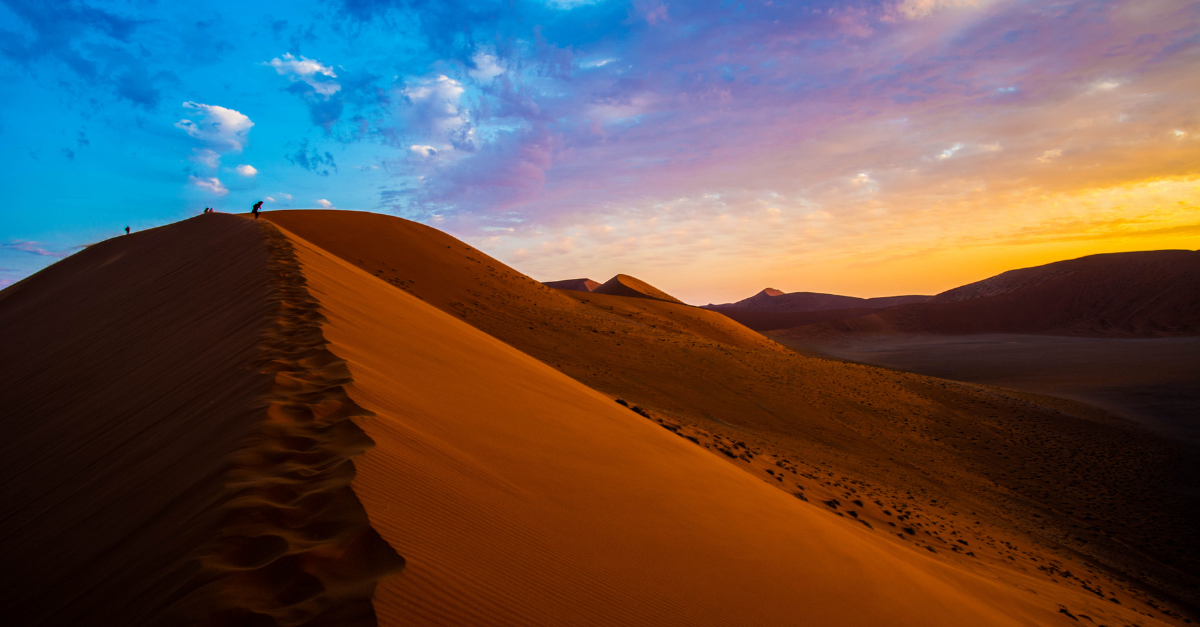
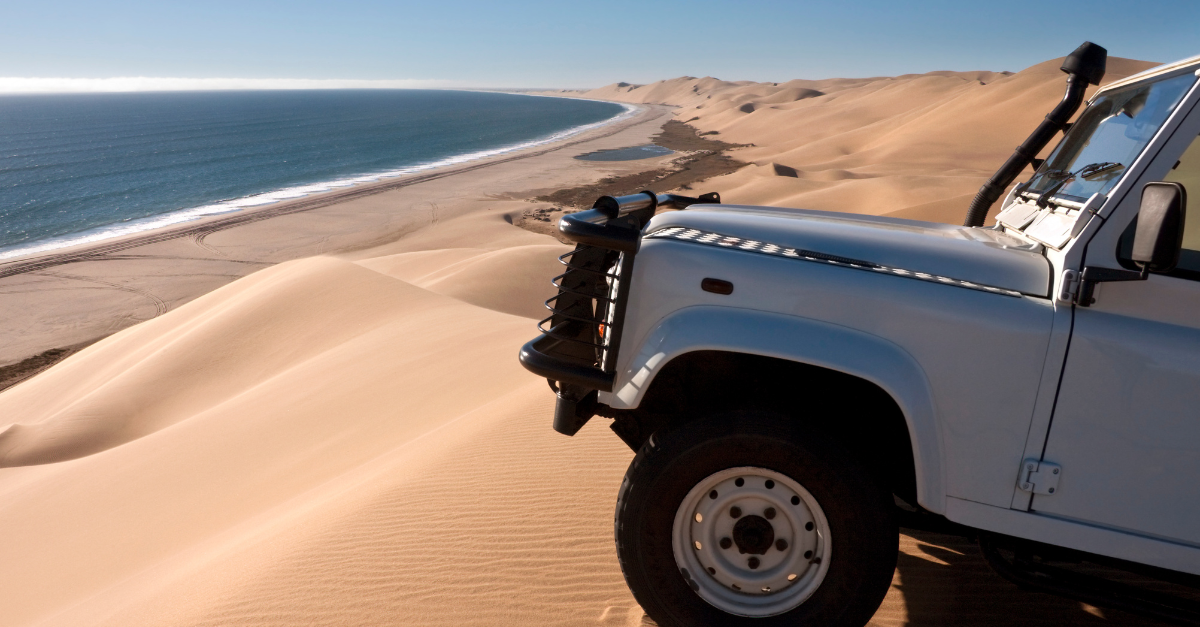
    Driving south, the landscape began to shift. Mountains melted into dunes, and the world turned golden. At Moon Mountain Lodge, perched on the edge of eternity, they watched the sun dip behind the horizon in a blaze of fire. The silence was sacred. The stars, infinite.

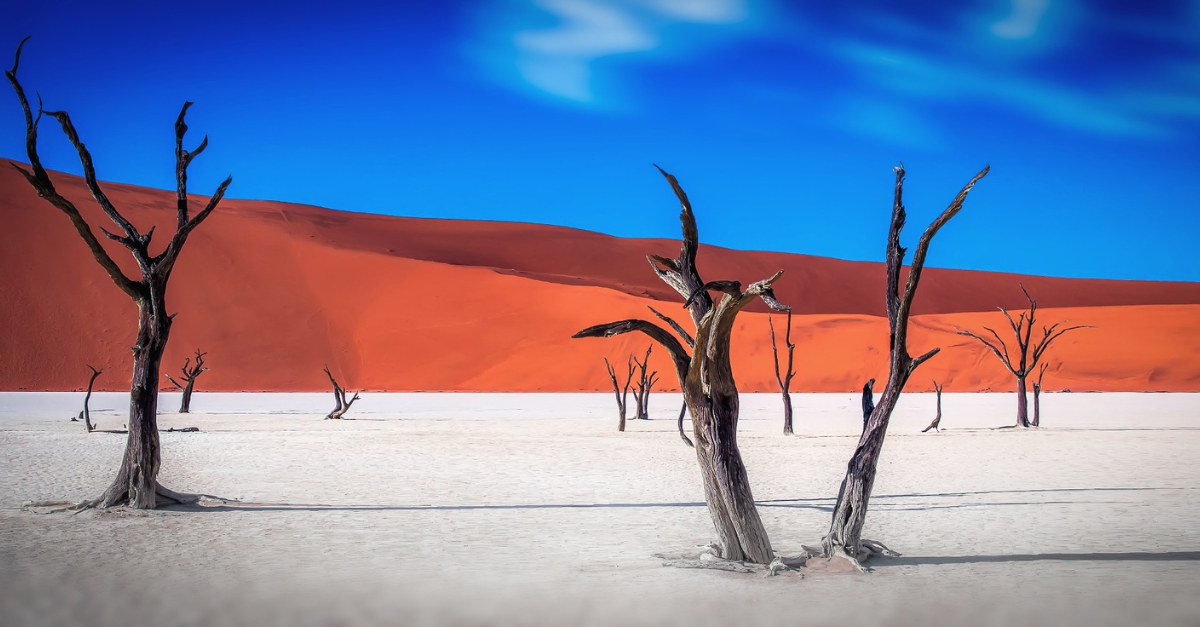
    They wandered through Sossusvlei, climbed Dune 45 at dawn, and stood in Deadvlei — where ancient trees stand frozen in time, like ghosts of the past.

    Sossusvlei dunes, Namibia

    11–14 September

    Swakopmund: Salt Air and Soft Laughter

    Atlantic Apartments

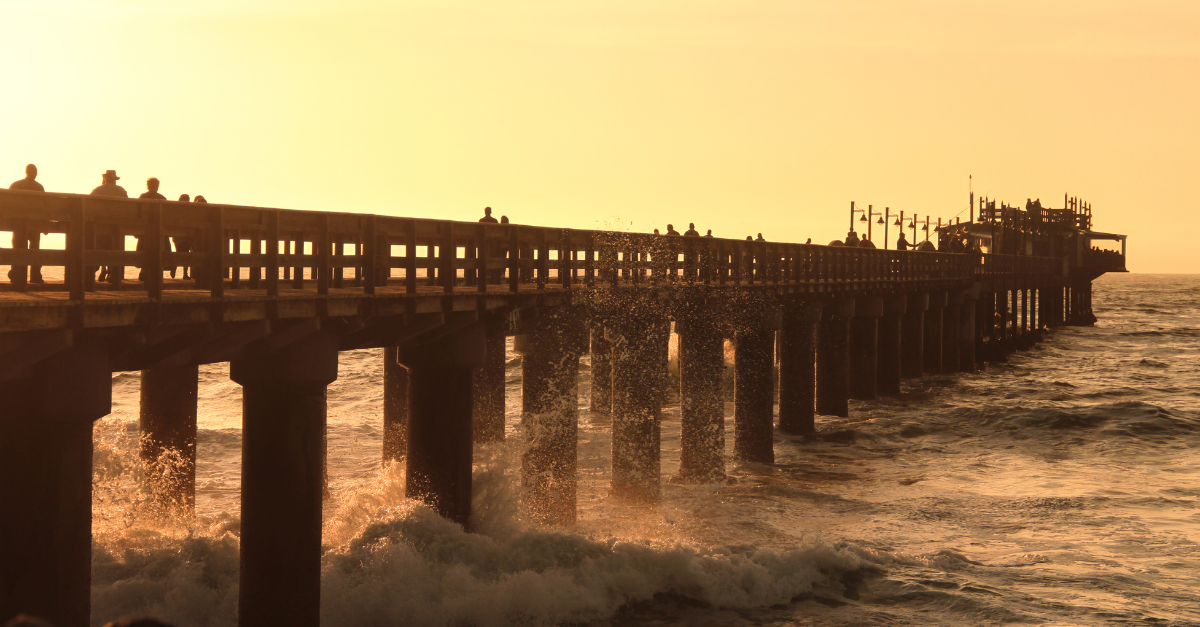
    From desert to sea, they arrived in Swakopmund — a town where German architecture meets African soul. Here, the ocean whispered stories and the breeze carried memories. It’s a place of contrast — wild and gentle, old and new.

    14–15 September

    Damaraland: Stones That Speak

    Lodge Damaraland & Ugab Terrace Lodge

    In Damaraland, the earth tells stories. Twyfelfontein’s ancient rock engravings echoed secrets of the past, while the Organ Pipes and Burnt Mountain stood like sentinels guarding time. They stayed in lodges carved into the hills, where the views stretched forever and the silence wrapped around them like a blanket.

    Here, desert elephants roam — graceful, resilient, and rare.

    Damaraland desert elephants, Namibia

    15–21 September

    Etosha: The Heartbeat of the Wild

    Etosha Safari Lodge & Halali Camp

    Etosha was the crescendo. A symphony of life played out across the salt pans and savannahs. Lions lounged in the shade, giraffes glided across the plains, and elephants bathed in dusty waterholes.

    Every game drive was a gift. Every sighting, a miracle. And every moment, a memory etched into their hearts forever.

    21–22 September

    Windhoek: Full Circle

    Town Lodge Windhoek

    Back in Windhoek, they spent one final night — not to say goodbye, but to give thanks. For the journey. For the memories. For the chance to return.

    Etosha National Park wildlife, Namibia

    “Namibia isn’t just a destination. It’s a feeling.”

    Why Namibia?

    Namibia isn’t just a destination. It’s a feeling. A place where time slows, where nature reigns, and where the soul finds space to breathe. Where the people warm your heart and make you smile.

    As a destination, Namibia is rising fast on the world’s travel radar — not for flashy resorts or crowded beaches, but for its raw beauty, its quiet power, and its ability to transform you.

    For those who seek more than just a holiday — who crave connection, wonder, and the kind of silence that speaks volumes — Namibia is a once-in-a-lifetime experience.

    As for Cecil and Maria, it was a dream fulfilled. A circle closed. A new story written in sand and stars.

    It was my absolute pleasure and a privilege to be able to curate Cecil and Maria’s journey, helping them make a lifelong dream reality. Dalene · Destination Africa

    Your own Namibia story, waiting to be written.

    Every journey we create is built entirely around you. Tell us what’s calling you back, and let’s design the road trip of a lifetime.

    Begin Your Journey →
  • Hello world!

    Welcome to WordPress. This is your first post. Edit or delete it, then start writing!

Free Guide
Free Download Kenya Safari Guide