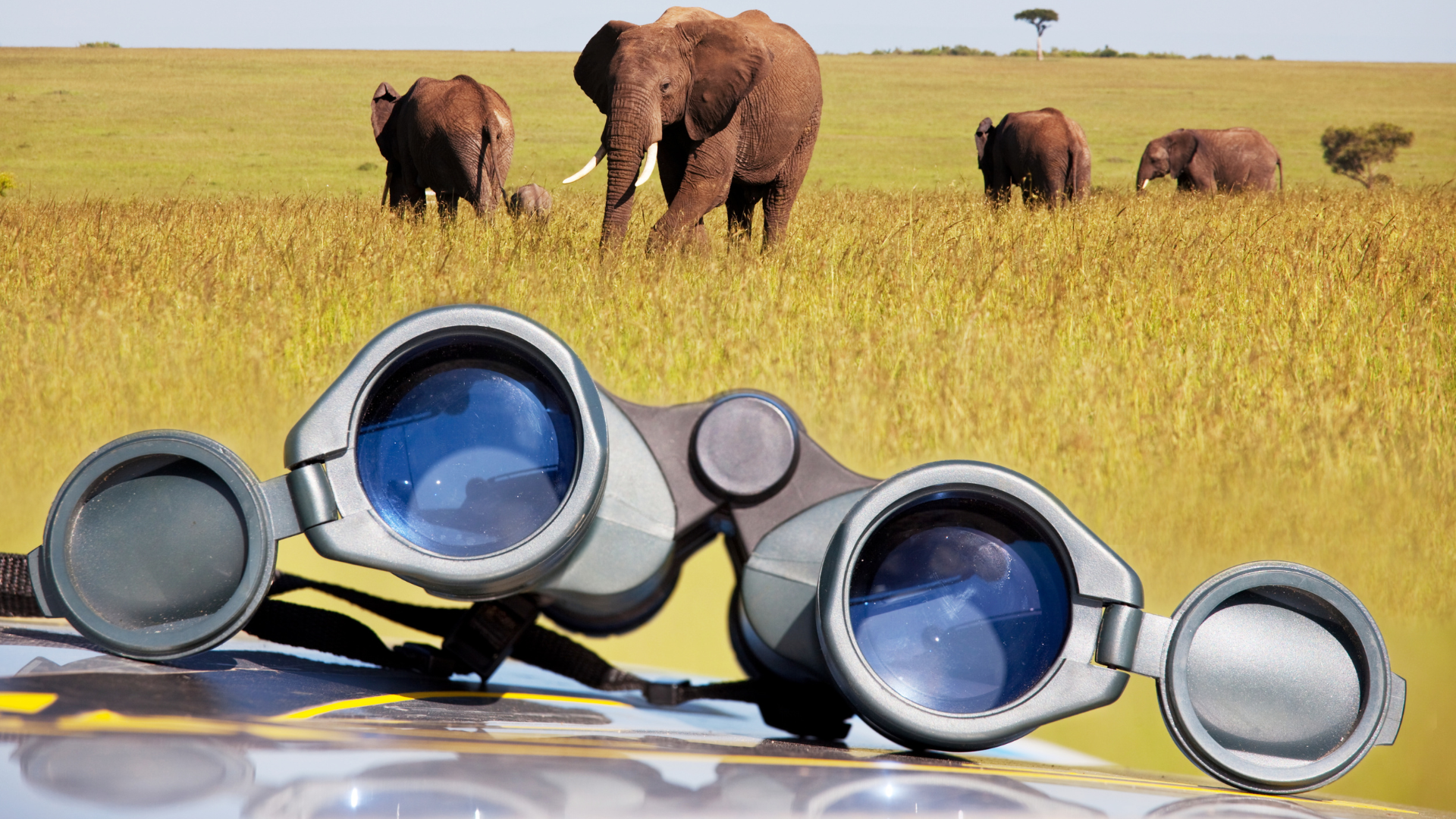
Botswana sits right alongside the country I grew up on safari in, and it has built its entire identity around something most destinations can't offer: space. There's no other way to put it — this is one of the least crowded, most deliberately conserved safari countries on the continent, and it shows in everything, from the number of vehicles ever allowed at a sighting to the number of guests a camp will hold at all.
Zambia, just across the water at Victoria Falls, adds the one thing Botswana's interior can't: the sound and spray of one of the seven natural wonders of the world, followed by the slow, river-bound rhythm that comes after it.
This guide follows the eight-night journey I've put together for this month — Okavango Delta, Boteti River, Victoria Falls — but everything in it holds true whether you travel with me for eight nights or eighteen.
Part One
The Okavango Delta — Water Country
Mokolwane Camp is reached by helicopter, and that detail matters more than it sounds. There's no road in, which means no road noise, no passing traffic, and no other camps within earshot. You land inside the wilderness, not beside it.
The Delta works on two rhythms. By day, open vehicles track leopard, elephant and buffalo across islands and floodplains. By water, a mokoro — poled silently through papyrus channels — slows everything down to the pace the Delta actually moves at. And after dark, when most safari areas go quiet, the Okavango's night drives reveal an entirely different cast: genet, civet, hyena, and the hunting cats that rarely show themselves in daylight.

Okavango Delta — What to Know
- Access is by light aircraft or helicopter only — there is no self-drive option
- Three nights is the minimum to properly settle into the Delta's rhythm
- Best game viewing: July–October, as the annual flood peaks
- Mokoro availability depends on water levels — ask before you book if this matters to you
Part Two
The Boteti River — Where the Desert Meets Water
Meno a Kwena sits on a bluff directly above the Boteti River, on the edge of the Makgadikgadi — one of the largest salt pans on earth. In the dry season, the river becomes the only permanent water for miles, and elephants come down to drink close enough to watch from your own veranda.
This is also where you can spend time with the Ju/'Hoansi San community, among the oldest continuous cultures on earth, whose understanding of this landscape stretches back tens of thousands of years. It isn't a staged performance — it's arranged personally, as a genuine exchange, rather than bolted onto every itinerary as a box-ticking stop.


Boteti River — What to Know
- Game viewing here is river- and waterhole-based rather than wide-ranging drives — expect quieter, more concentrated sightings
- Dry season (July–October) is when elephant numbers at the river peak
- The San community visit is optional and arranged in advance — let me know if it matters to you
- This leg pairs naturally with the Delta as a contrast — water-abundance beside water-scarcity, back to back
Part Three
Victoria Falls & the Zambezi — The Exhale
After a week of deep bush, Victoria Falls resets the pace entirely. Waterberry sits directly on the Zambezi, a short drive from the falls themselves — close enough for an afternoon there, far enough that the lodge stays properly quiet.
The falls deserve at least a morning, ideally while the spray is still doing what it does at full flood. After that, the Zambezi takes over: slow boat cruises, birdlife that rewards patience, and catch-and-release fishing for anyone who'd rather hold a rod than a camera for a day.

Victoria Falls & Zambezi — What to Know
- The Zambian side has fewer crowds than the Zimbabwean side, and is arguably the better vantage point at full flood
- Two nights is enough to properly unwind, without feeling rushed at the falls
- April–June brings maximum spray and drama; August–December gives clearer views of the falls themselves
- This is deliberately the slowest leg of the journey — built as a decompression, not another wildlife-dense stop
There's more to this journey than fits in a guide.
Exact routing, which suite at each camp, and how the helicopter and flight connections line up around your dates — that's where the real planning happens, and it's done personally, not from a template.
Start the Conversation →
What the Brochures Leave Out
The Honest Truth About Safari in Botswana & Zambia
A few things nobody tells you upfront — the kind of detail that separates a good trip from one you talk about for years.
On access
Botswana's low-impact model means fewer camps, fewer beds, and a genuine cap on how many people can ever be in one area at once. That's exactly why it protects the experience — but it also means the best camps sell out early, sometimes nine to twelve months ahead for peak season.
On pacing
This itinerary is deliberately built around three distinct rhythms — wilderness immersion, riverside stillness, then a proper unwind at the falls. Resist the temptation to add a fourth stop just because you can. The pacing is the point.
On packing
Mornings on an open vehicle in the Delta in July can sit below 10°C; afternoons regularly reach the high 20s. Layers — not just warm clothes — are what actually work.
"No two days on safari are the same. No guide can predict what will happen. That part can't be written into a guide. It simply happens, to the people who go."
"This guide gives you the knowledge. The conversation turns it into your journey — dates, camps, routing, everything designed around you." Dalene · Destination Africa