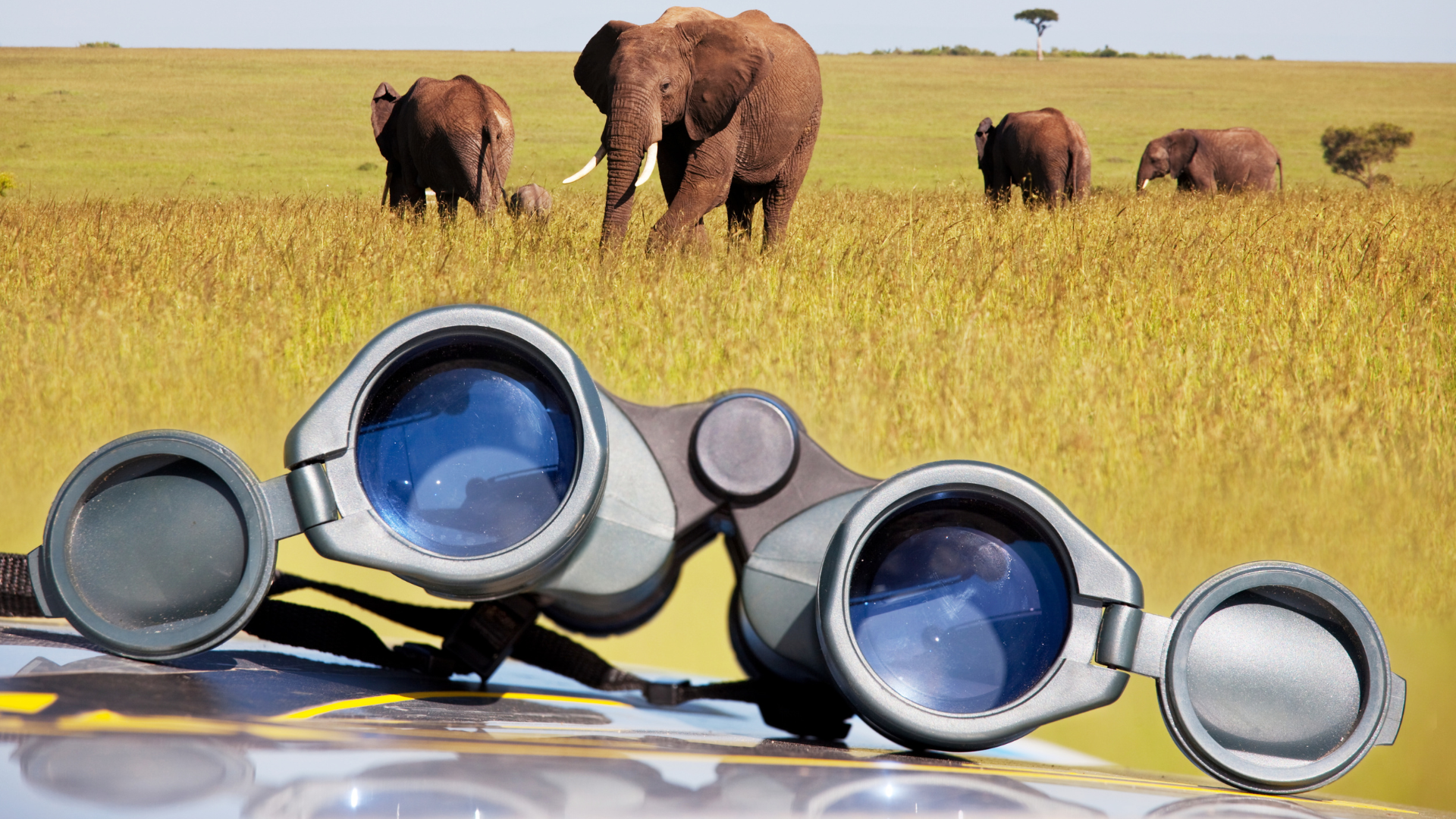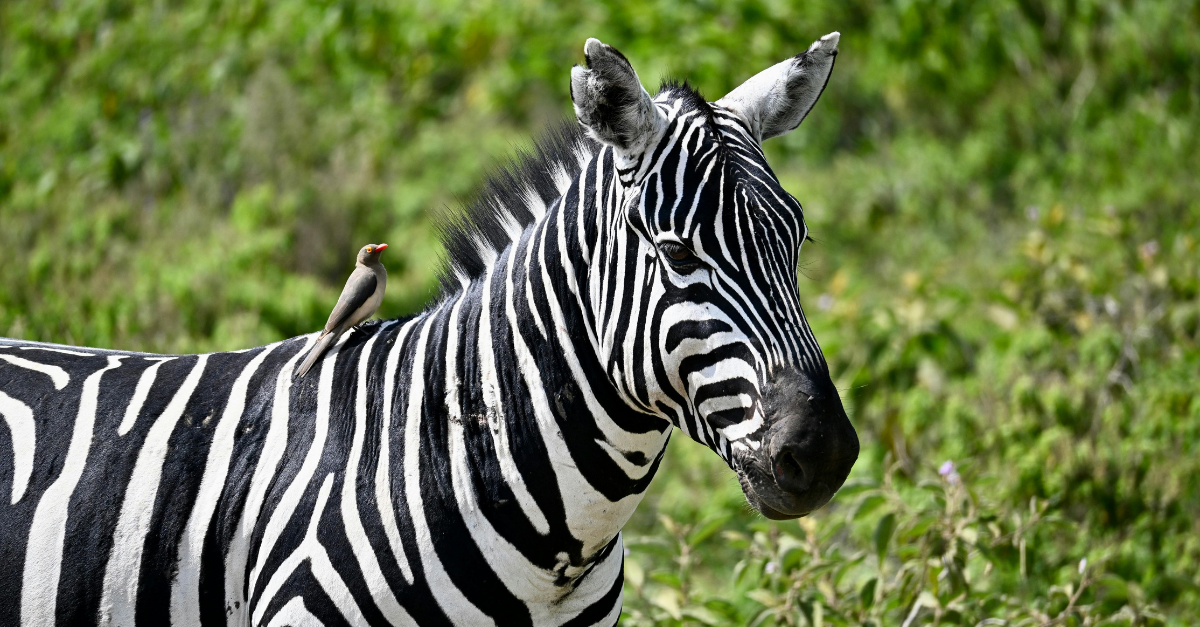
There is no single "best" month for a Kenyan safari — there's a best month for what you want to see. Get that distinction right, and every other planning decision becomes easier.
Kenya is one of the few safari destinations that genuinely rewards careful timing. The difference between visiting in February and visiting in November isn't subtle — it can mean the difference between watching wildebeest cross the Mara River in their hundreds of thousands, or having a private game reserve almost entirely to yourself. Neither is wrong. They're simply different trips.
This guide breaks Kenya's safari calendar down honestly: what each season actually looks like on the ground, when the wildlife spectacle peaks, when the value is best, and when the rain genuinely gets in the way. As a guide, treat this as a starting point for a conversation, not a substitute for one — the right month for your safari also depends on your specific itinerary, the parks you're visiting, and what you want out of the trip.
In This Guide
Kenya's Two Seasons, In Brief
Kenya's climate works on two broad rhythms: a long dry season roughly from June through October, and a wetter period split into a "long rains" stretch (typically March to May) and a shorter, lighter "short rains" stretch (typically November). Everything else in this guide builds from that basic shape.
June – October
Dry Season
Sparse vegetation, predictable game viewing, animals concentrated around permanent water sources. Kenya's peak safari season, and priced accordingly.
November – June
Green Season
Lush landscapes, dramatic skies, fewer vehicles at sightings, and noticeably better rates. Rainfall is generally short and localised rather than constant.
The Dry Season: July to October
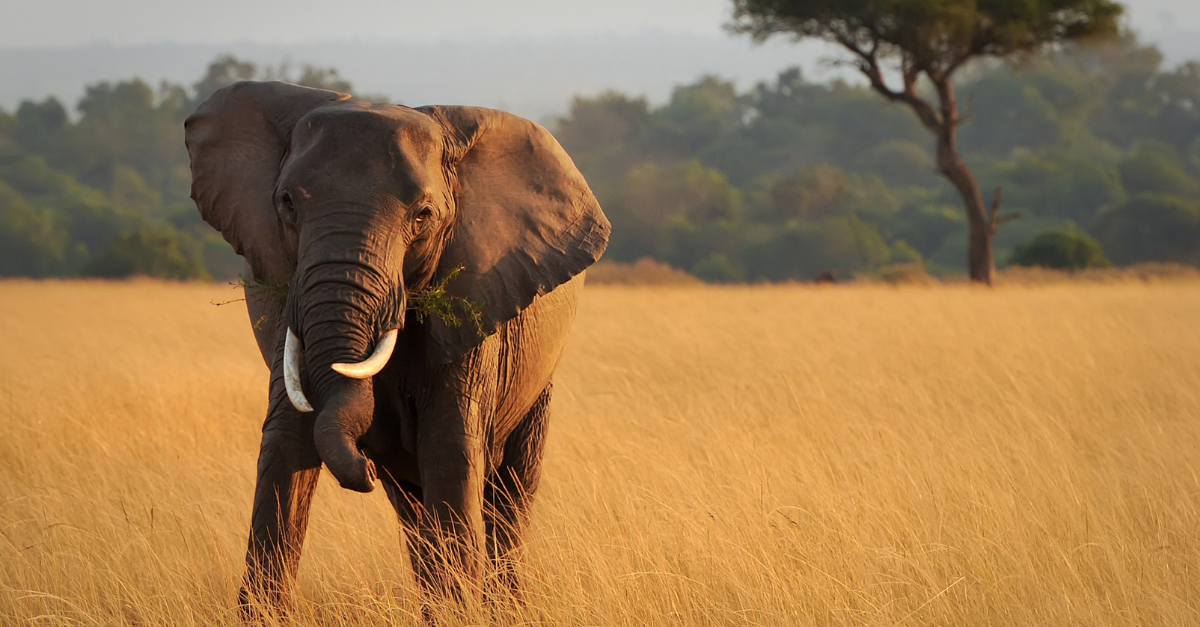
This is Kenya's classic safari window, and for good reason. As surface water dries up across the bush, animals are drawn toward rivers, waterholes and permanent water sources — which means predators and prey both become far easier to find, often in the same general area. Vegetation thins out too, so visibility across the plains is excellent.
It's also dry underfoot, which matters more than people expect: remote camps and conservancies that can be difficult to reach in the rains become fully accessible, and game drives aren't interrupted by washed-out tracks.
The trade-off is straightforward: this is when everyone else wants to travel too. Camps fill up further in advance, prices sit at their highest point of the year, and popular areas of the Mara in particular can feel busier at marquee sightings. None of that makes it the wrong choice — for many travellers, especially first-time safari-goers who want the most reliable wildlife viewing possible, it's exactly the right one.
The Green Season: November to June
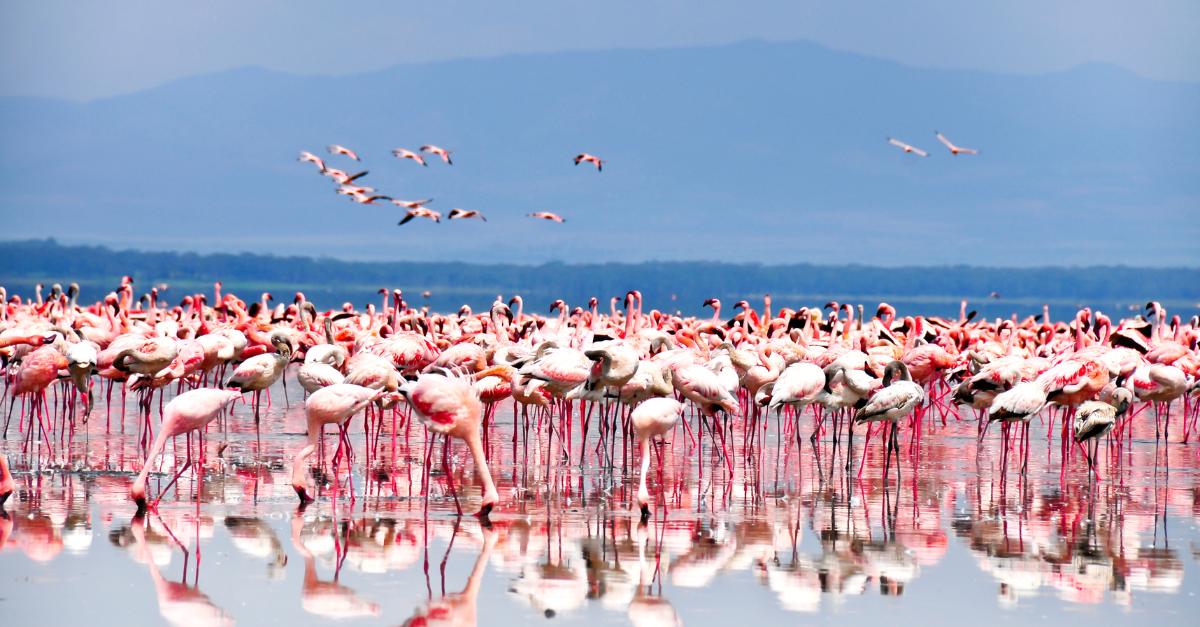
The green season isn't one uniform stretch — it has its own internal rhythm worth understanding before you write it off as "the rainy months."
November – Early December: The Short Rains
Typically brief, often a daily afternoon shower rather than all-day rain. The landscape turns green almost overnight, bird life is exceptional as migratory species arrive, and newborn animals start appearing. Crowds and prices both drop noticeably from the August peak.
Late December – February: A Genuine Sweet Spot
Often overlooked, and arguably shouldn't be. The short rains have passed, skies are generally clear, temperatures are warm, and this is calving season on the southern plains — meaning predator action is often at its most dramatic, even if the famous river crossings aren't happening. December and January also coincide with school holidays, so it's not undiscovered, but it offers a genuinely different and rewarding experience to the August migration crowds.
March – May: The Long Rains
This is Kenya's quietest safari period, and the one worth being most honest about. Rain is heavier and more sustained, some camps close for maintenance, and certain roads can become genuinely difficult. But the landscape is at its most dramatic, lodge rates fall to their lowest point of the year, and the parks that remain open are remarkably empty. This suits a particular kind of traveller well — not everyone, but it shouldn't be dismissed outright either.
When to See the Great Migration
If the Great Migration river crossings are the specific reason you're going to Kenya, timing matters more than anything else in this guide — and it's worth being precise rather than vague about it.
The wildebeest and zebra herds move in a roughly circular pattern between Tanzania's Serengeti and Kenya's Masai Mara, and their exact timing shifts year to year depending on rainfall. As a general pattern: the herds are typically in the Mara from July through to October, with the dramatic Mara River crossings most commonly seen from late July through September. This is not a guarantee — the migration follows the grass and the rain, not a calendar — but it's the most reliable window.
If a river crossing specifically is the centrepiece of your trip, this is one area where we'd always recommend building in flexibility, a few extra days, and expert positioning within the Mara itself, rather than expecting a single game drive to deliver it on demand.
Month-by-Month At a Glance
| Months | Conditions | Best For |
|---|---|---|
| Jan – Feb | Warm, mostly dry | Calving season, predator action, fewer crowds |
| Mar – May | Long rains, quiet | Lowest rates, lush scenery, fewer vehicles |
| Jun | Transitional, drying out | Good value before peak season begins |
| Jul – Oct | Dry, peak season | Migration river crossings, reliable game viewing |
| Nov – Early Dec | Short rains, brief showers | Birdlife, greenery, lower prices |
"There is no wrong time to go to Kenya — only the wrong time for the safari you're picturing in your head."
Frequently Asked Questions
What is the single best month to visit Kenya?
For most first-time safari travellers prioritising reliable wildlife viewing, August and September sit at the sweet spot of dry conditions and migration activity in the Mara. For value and a quieter experience without sacrificing much in the way of wildlife, late December through February is genuinely underrated.
Is it worth visiting Kenya during the rainy season?
Yes, with the right expectations. The short rains (November) are brief and rarely disrupt a safari. The long rains (March–May) are more substantial and not for everyone, but they bring the lowest prices, the most dramatic scenery, and a Kenya almost without other visitors.
How far in advance should I book for the dry season?
For July to October departures, particularly camps in the Masai Mara, we'd recommend booking nine to twelve months ahead where possible. The best camps in the best positions sell out well in advance of peak season.
Does the Great Migration happen at the same time every year?
No — it follows rainfall and grass growth, not a fixed calendar. July to October is the most reliable window for the herds being in Kenya's Masai Mara, but exact crossing dates shift year to year and can't be guaranteed on any single date.
Every safari we design starts with one conversation about timing — because the right month makes a bigger difference to your trip than almost any other decision you'll make.