Kenya.
Where the wild truly begins.
Everything the brochures leave out. Written by someone who grew up in the bush, has planned hundreds of Kenya safaris, and knows which single decision separates an extraordinary journey from an ordinary one.
There are two kinds of Kenya safari.
"This guide exists to help you understand the difference, and to make sure you experience the right one."
The first is the one most people book. A fixed departure, a pre-assigned lodge, a shared vehicle following the same route through the main reserve that fifty other vehicles will cover that morning. It is not a bad experience. Kenya is extraordinary enough that even a standard safari delivers remarkable wildlife. But it is not the full story. Not by a long way.
The second kind is the one this guide is about. The same country, the same skies, the same incomparable wildlife. But experienced privately, intelligently, and with the depth of knowledge that comes from having spent a lifetime in and around this landscape. The right conservancy, not just the obvious one. The right season, not just peak season. The lodge that requires a contact to access. The guide who has been tracking lion in this specific valley for twenty-three years and reads the grass the way most people read a newspaper.
That distinction is everything. And it is, genuinely, the difference between a holiday you describe as wonderful and one you spend the rest of your life trying to recreate.
This guide gives you the foundation. The specific recommendations, the exact routing, the honest assessments of which properties are worth their rates and which are not: those conversations happen when we know who you are and what you are looking for. That conversation is free, and there is never any pressure.
Start That Conversation →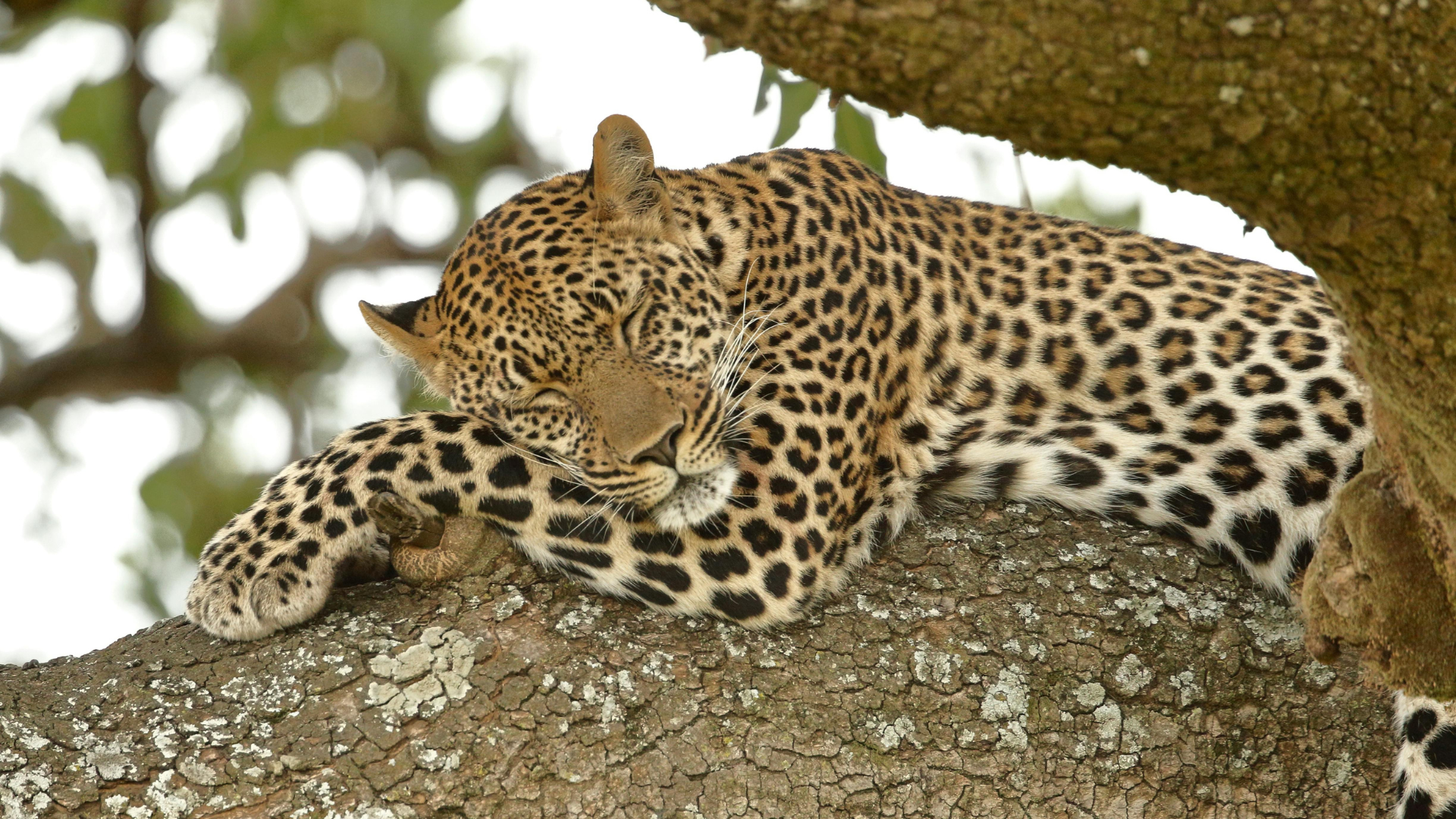
When to Go
The month you choose changes everything. The wildlife density, the price, the privacy, the light. Here is the honest breakdown.
Kenya has no bad time for a safari. That statement is true and also deeply misleading, because the differences between seasons are vast enough to define the kind of experience you have. The question is not whether to go. It is what you are going for.
The dry season runs from July to October. Vegetation is lower and wildlife concentrates around diminishing water sources. The result is extraordinary density. Game drives during these months often feel continuous. You do not drive to find animals. You drive between them.
July to September also covers the Great Migration, when approximately one and a half million wildebeest follow their ancient instinct north from the Serengeti. The Mara River crossings, which happen unpredictably during this window, are the defining spectacle of the African safari calendar. Nothing quite prepares you for the sound of it.
"The crossings are not guaranteed on any given day. With the right camp in the right position, the chances are high. With the wrong one, you may spend a week watching an empty river."
The other consideration is price. Dry season rates at Kenya's finest camps are at their highest, and the main reserve can be genuinely busy around key sighting points. The conservancy camps, where vehicle numbers at any sighting are strictly controlled, are where this matters least.
Peak wildlife density, Great Migration window, extraordinary game drives. Rates are highest, the main reserve busiest. The conservancies remain private throughout. This is the season for first-timers and those who want to see as much as possible.
Lush and alive. Newborn animals everywhere from January, pulling predators in. Rates drop. The reserve is quieter. Wildlife is more dispersed. For photographers, repeat visitors, and those who value solitude, this season regularly produces the most intimate safaris we plan.
The long rains run April to June. Most serious operators run at reduced capacity and some smaller camps close. This is not the season we recommend unless you have a very specific reason to travel then.
Our recommendation for a first Kenya safari is July to October. For a second, January and February. For those who want a Kenya that feels entirely private, November or March.
"The right dates depend on far more than the season. We will tell you exactly which window is right for your specific priorities."
Discuss Your Dates →Where to Stay
The most important decision in your Kenya safari is not which lodge to choose. It is which area. The lodge question comes second. A long way second.
The Masai Mara ecosystem divides into the national reserve and the surrounding private conservancies. The reserve is accessible to all operators. The conservancies are privately managed, with a strictly limited number of camps, and access is restricted to guests of those camps only.
In the main reserve, off-road driving is not permitted. Game drives must stay on established tracks. During peak season, a big cat sighting can attract ten or more vehicles within minutes. The experience is still extraordinary, but it is not private.
In the conservancies, camps operate under their own rules. Off-road driving is permitted. Night drives are available. Walking safaris are possible. The number of vehicles at any single sighting is strictly controlled. You may watch a cheetah hunt with no other vehicle in sight. You may follow a leopard for two hours without seeing another car. These are the moments that define what a Kenya safari can be.
"Choosing the right camp requires knowing the landscape in detail. Which direction does it face at sunrise. Where the pride ranges. What the water source is. These are questions a booking platform cannot answer."
Camp categories matter, but less than location. A mid-range tented camp in the right conservancy will deliver a better wildlife experience than a five-star lodge in the wrong area of the main reserve. Prioritise position first, comfort second.
Luxury tented camps are the classic Kenya experience. Canvas walls, elevated wooden platforms, en-suite bathrooms that are often more refined than many hotel rooms, and a relationship with the bush that a solid-walled building simply cannot replicate. Falling asleep to the sound of lion calling at midnight does not lose its impact on the tenth occasion.
Permanent lodges offer more facility and more consistency. Private plunge pools, multiple dining options, spa treatments. The right choice for multi-generational trips or for clients who want consistent luxury alongside wildlife.
Mobile camps move with the wildlife and the season. Set up in the optimal location at the optimal time of year. Some of Kenya's finest operators run mobile camps that are not rough in any sense. They are the most considered way to be in exactly the right place at exactly the right moment.
Some of the properties we recommend most consistently to clients are not listed on any comparison site. They work through direct relationships with a small number of trusted specialists. That is not an exclusive claim. It is simply how Kenya's finest tier operates.
"We know which properties deliver the best experience in each season. We are happy to share that knowledge."
Get Our Recommendations →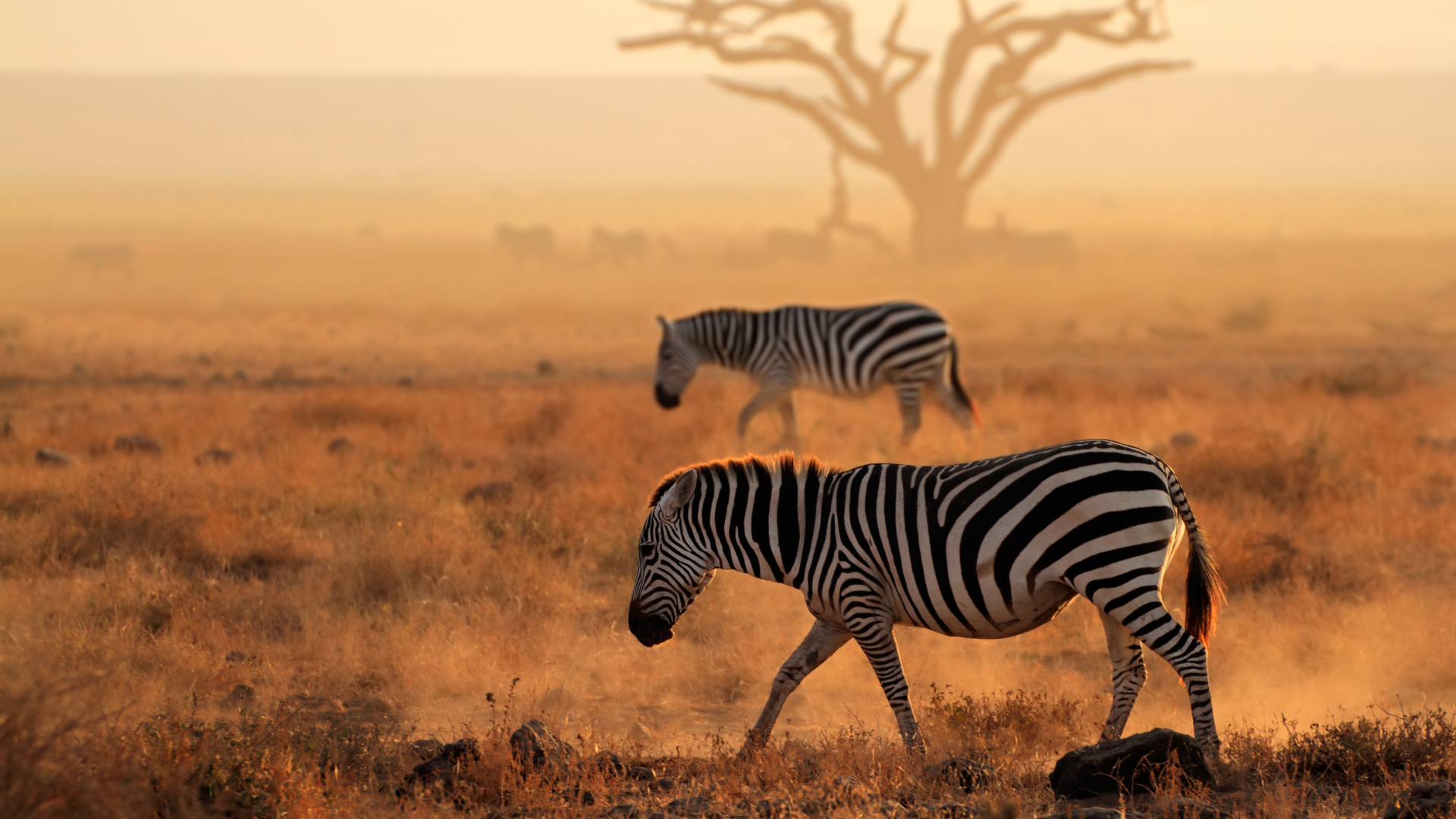
Elephants and Kilimanjaro. Africa's most iconic image.
Amboseli sits at the foot of Mount Kilimanjaro in the south of Kenya. The elephant herds here are among the most studied on earth, numbering in the hundreds, and their ease around vehicles makes for extraordinary close encounters.
A two-night extension to a Mara itinerary, Amboseli adds a completely different landscape and a specific kind of wildlife encounter that the Mara cannot offer. On a clear morning, with elephants moving across the plain and Kilimanjaro filling the horizon, it is one of the great images of Africa.
Ask About Amboseli →What to Expect
Your first game drive, explained. The rhythm, the silence, the things no one tells you, and how to get the most from every hour you spend in the bush.
Your guide will collect you before sunrise, typically around 5:30am. There will be coffee and something to eat. The air in the Mara in July is genuinely cold at that hour. By 10am the same day it will be 28 degrees. This is part of the experience, not an inconvenience.
For the first hour, resist the urge to talk much. Your guide is already reading the bush before you have left camp. A bird alarm calling from the tree line at the edge of the floodplain. The way the grass has been pressed and twisted overnight. Fresh tracks crossing the path at a specific angle. Experienced guides operate on a frequency that takes a few drives to tune into. The best thing you can do is listen.
The game drive rhythm is typically three to four hours in the morning, a return to camp for breakfast and rest during the heat of the day, then back out from around 4pm until just after dark. In the conservancies, that post-dark extension is where some of the most dramatic encounters happen. Lion are most active at night. The moment your guide kills the engine, cuts the lights, and you hear something enormous moving through the grass twenty metres away is a particular kind of experience that no luxury hotel can manufacture.
"Do not measure a game drive by the volume of animals seen. Some of the most memorable hours in the bush involve very little movement at all. A herd of elephants moving through golden afternoon light. Total silence at first light before the world wakes up."
The Big Five in Kenya. Lion is the most reliably sighted. The Masai Mara supports one of the highest lion densities in Africa, with several prides whose territories overlap the conservancies we work with. Leopard requires patience and a sharp-eyed guide. The fig trees and Mara riverbanks provide excellent habitat and sightings are more frequent than in many other destinations. Elephant is best experienced in Amboseli. Buffalo is present throughout in large herds. Rhino, the rarest, is best sought at Ol Pejeta in Laikipia, which we often combine with a Mara itinerary for clients who want to complete the Five.
Beyond the Five, Kenya offers cheetah as reliably as anywhere on earth, particularly in the open grasslands of the conservancies. Wild dog sightings, while never guaranteed, occur. And the birdlife is extraordinary enough that dedicated birders can spend a week in the Mara and never feel they have exhausted it.
One thing no guide tells you in advance: the first time you watch a kill from start to finish, in silence, in the dark, with a glass of something warm, while the rest of the world sleeps, you understand why people come back to Kenya every single year for the rest of their lives.
"We brief every client before they travel. Not to manage expectations downward but to help you arrive open to the things you did not know to look for."
Talk Through Your Safari →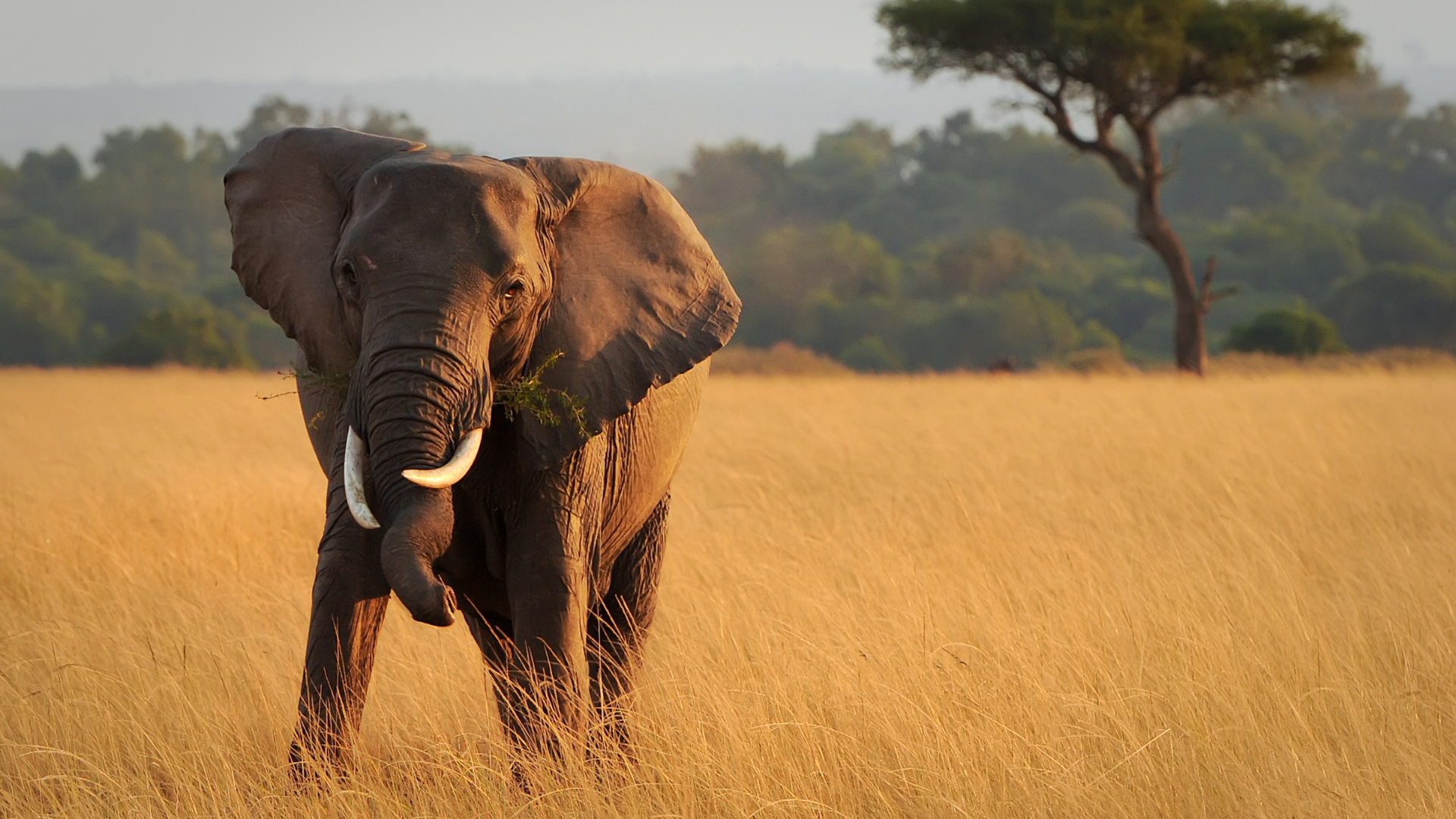
The Honest Cost
The question everyone asks and nobody quite answers directly. Here is the real answer.
A quality, professionally guided experience in a well-positioned camp, in a private conservancy rather than the main reserve, with internal flights, transfers, and full board included: allow a minimum of 3,000 to 5,000 pounds per person for seven nights. For a genuinely luxury experience at the finest conservancy camps, 7,000 to 12,000 pounds per person is the realistic range.
The figures sound significant. They include expert guiding, all wildlife activities, all meals, all accommodation, and an experience that most people who do it once spend years trying to find a way to repeat. Consider what a week at a luxury European hotel costs. The Kenya safari typically delivers more.
The more useful question is not whether it is expensive. It is whether you are spending your money on the right things within that budget.
A client who spends 8,000 pounds per person on a poorly chosen lodge in the wrong area of the main reserve will have an inferior experience to a client who spends 5,000 pounds on a well-chosen conservancy camp with an expert guide. Budget and value are not the same thing in Kenya. Knowing which camps deliver disproportionate value for their rates, and which are trading on reputation rather than current quality, is exactly the kind of knowledge that takes years to build.
We work across all budget levels and we are direct about what each level delivers. There is no point in booking you into an experience that does not match what you are hoping for. That conversation is free and straightforward, and it ensures that whatever you invest, it is invested well.
"Our commission comes from the supplier, not from you. The price you pay through Destination Africa is frequently the same as booking direct, or lower, with added inclusions no platform can negotiate."
"Tell us your budget. We will tell you honestly what it delivers and what the best options are at that level."
Discuss Your Budget →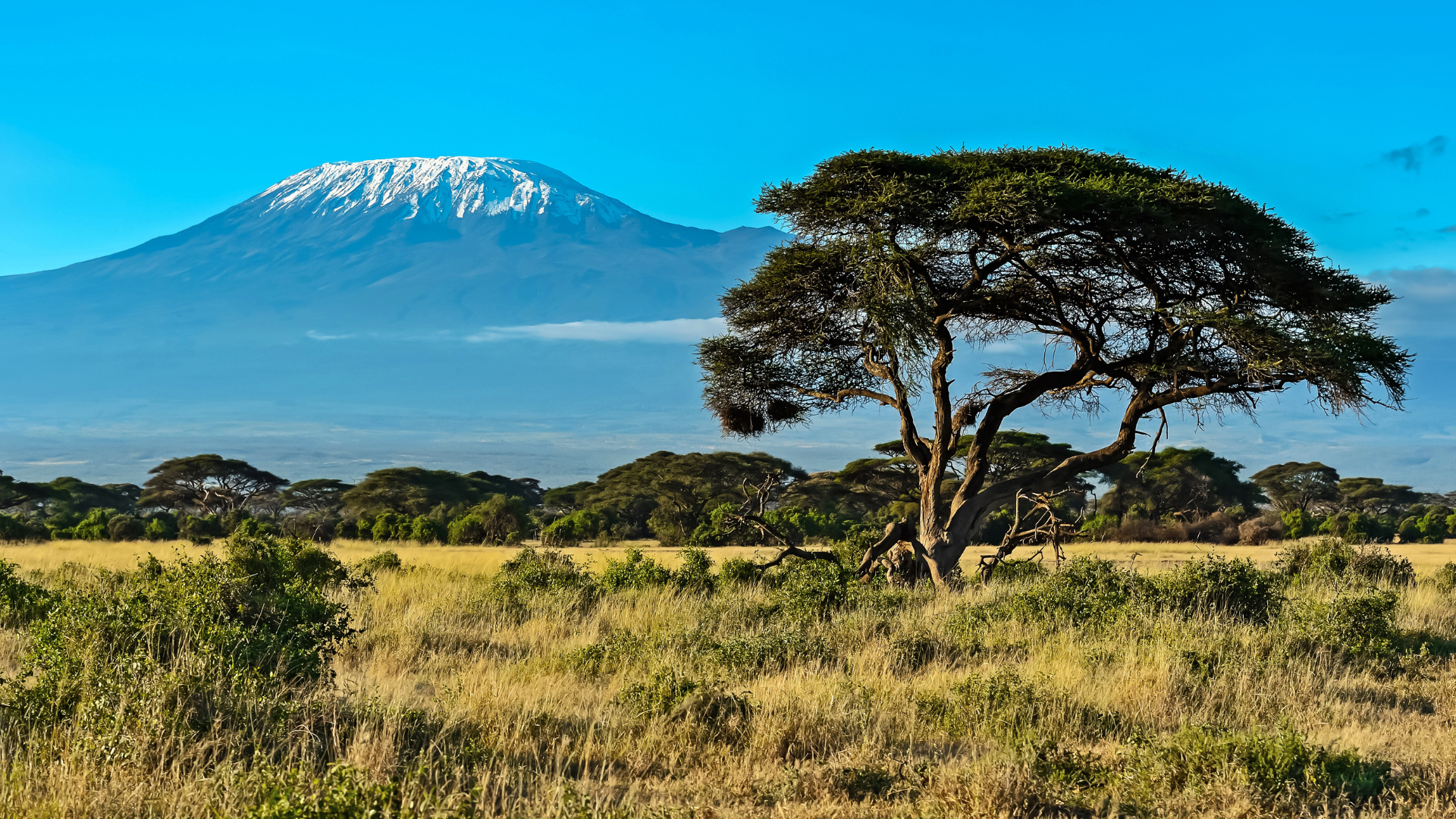
The red elephants of Tsavo. Kenya's best-kept secret.
Tsavo is Kenya's largest national park and its least crowded. The elephants here, coated in the distinctive red dust of the Tsavo soil, are the largest-bodied in Africa. They move through landscapes of volcanic rock and dry riverbeds in herds that can number in the hundreds.
Tsavo is the Kenya that serious travellers come back for. No other vehicles. Landscapes that feel genuinely unexplored. Combined with the Mara it creates a journey of extraordinary contrast.
Ask About Tsavo →What to Pack
The single most common mistake first-time safari visitors make is overpacking. Most camps offer daily laundry. You need far less than you think.
Clothing
- Neutral colours only. Khaki, olive, tan, brown.
- Two to three lightweight long-sleeved shirts
- Two to three pairs of lightweight trousers
- One fleece or light down jacket
- Wide-brimmed hat, non-negotiable
- Comfortable walking shoes or light boots
- Sandals for evenings at camp
- No white, no blue, no bright colours
Kit and Health
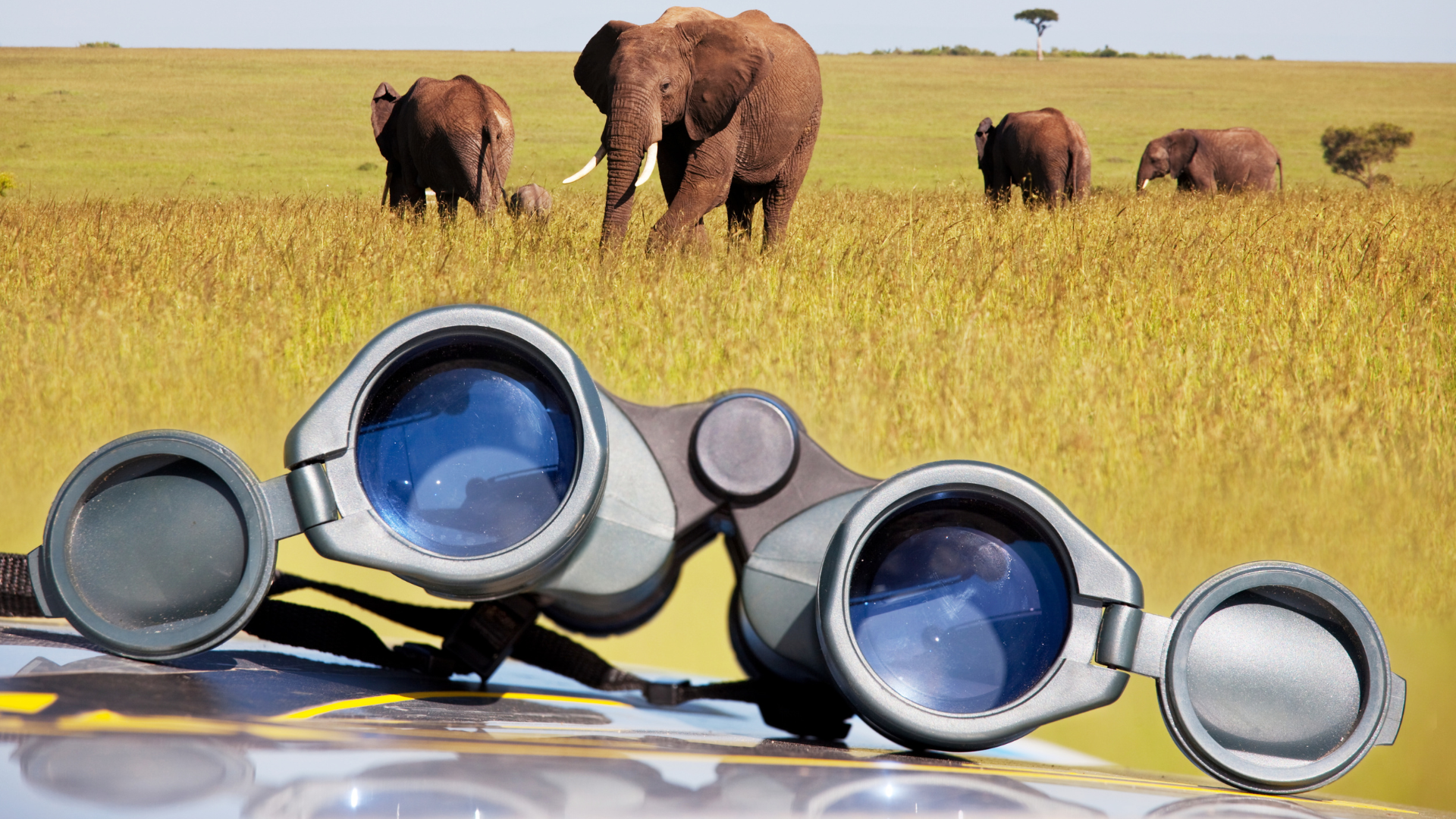
- Binoculars. The single most important item.
- Camera or smartphone with a good lens
- Sunscreen SPF 50 or above
- DEET-based insect repellent
- Headtorch for moving around camp at night
- Antimalarials. Consult your GP six weeks before.
- Reusable water bottle
- Light day bag for the vehicle
The colour rule is not aesthetic preference. It is practical. Blue attracts tsetse flies in certain areas of Kenya. White makes you visible and reflects light in a way that disturbs wildlife. Bright colours are distracting in the bush and, in the early morning when the temperature is cold and your guide is trying to follow fresh lion tracks in complete silence, the last thing anyone needs is a neon jacket.
Binoculars change the game drive experience completely. Even a mid-range pair transforms what you can see and understand. The difference between watching a cheetah on the horizon as a dot and watching it scan for prey with its extraordinary eyes is the difference between witnessing something and experiencing it. Borrow a pair if you do not own them. Buy a pair if you plan to come back, which you will.
Every client receives a comprehensive pre-departure pack that covers health requirements specific to your itinerary, packing guidance, transfer details, camp contacts, and emergency procedures. Nothing is left to chance. If something goes wrong, there is a number to call and a person who picks up.
"The camps wash everything overnight. Do not pack more than you can carry as hand luggage on a light aircraft. Most internal Kenya flights have a strict 15kg soft bag limit."
"Every client receives a full pre-departure briefing specific to their itinerary. No guesswork. No surprises."
Plan Your Kenya Safari →
Ready to plan your Kenya safari?
We have sent hundreds of people to Kenya. We know which decisions matter and which do not. Let us help you make the right ones.
Hundreds of clients. Five-star reviews throughout.
When I think of travelling anywhere, my first thought is Destination Africa. I have never experienced this level of personal service: committed, attentive, and genuinely caring. Every obstacle was handled with grace. I have since booked further holidays, all flawless.
Glenda Jones Returning ClientAn exceptional level of organisation from start to finish. 22 days, 3 countries, 7 flights, and every single element perfectly coordinated. Every accommodation and guide exceeded expectations. If you are considering an African safari, look no further.
M. Ellert Multi-Country African SafariTanzania and Zanzibar exceeded every expectation. The safari was nothing short of extraordinary. Every flight and transfer seamlessly arranged. A genuinely stress-free journey from beginning to end. I would not hesitate to book again.
N. Bennett Tanzania and ZanzibarSafari intelligence,
delivered quietly.
A select number of clients receive our private correspondence. Seasonal journey ideas, curated itineraries, destinations worth knowing about before they become widely known. No noise. No frequency.
- Seasonal journey ideas before they sell out
- Lodges and experiences worth knowing about
- Destinations rising before they become widely known
- Correspondence that is infrequent and considered
Your details are private. No third parties. Ever.
Welcome to the club.
You are now part of a small group of people who receive our private safari correspondence. Watch your inbox.
Twenty minutes.
Your safari, designed.
Choose a date and time. We will call you at the number you provide, or on WhatsApp if preferred. No obligation, no sales pressure.
Tuesday to Friday, 11:30am to 6:00pm only
Your details are private. No marketing lists. Ever.
Your call is booked.
We will be in touch at your requested date and time. We look forward to the conversation.
You have read the guide.
Now let us plan your safari.
This guide gives you the framework. The specific lodges, the exact routing, the honest assessment of which camp is right for you and which season to go: that part happens in conversation. It takes twenty minutes and costs nothing.